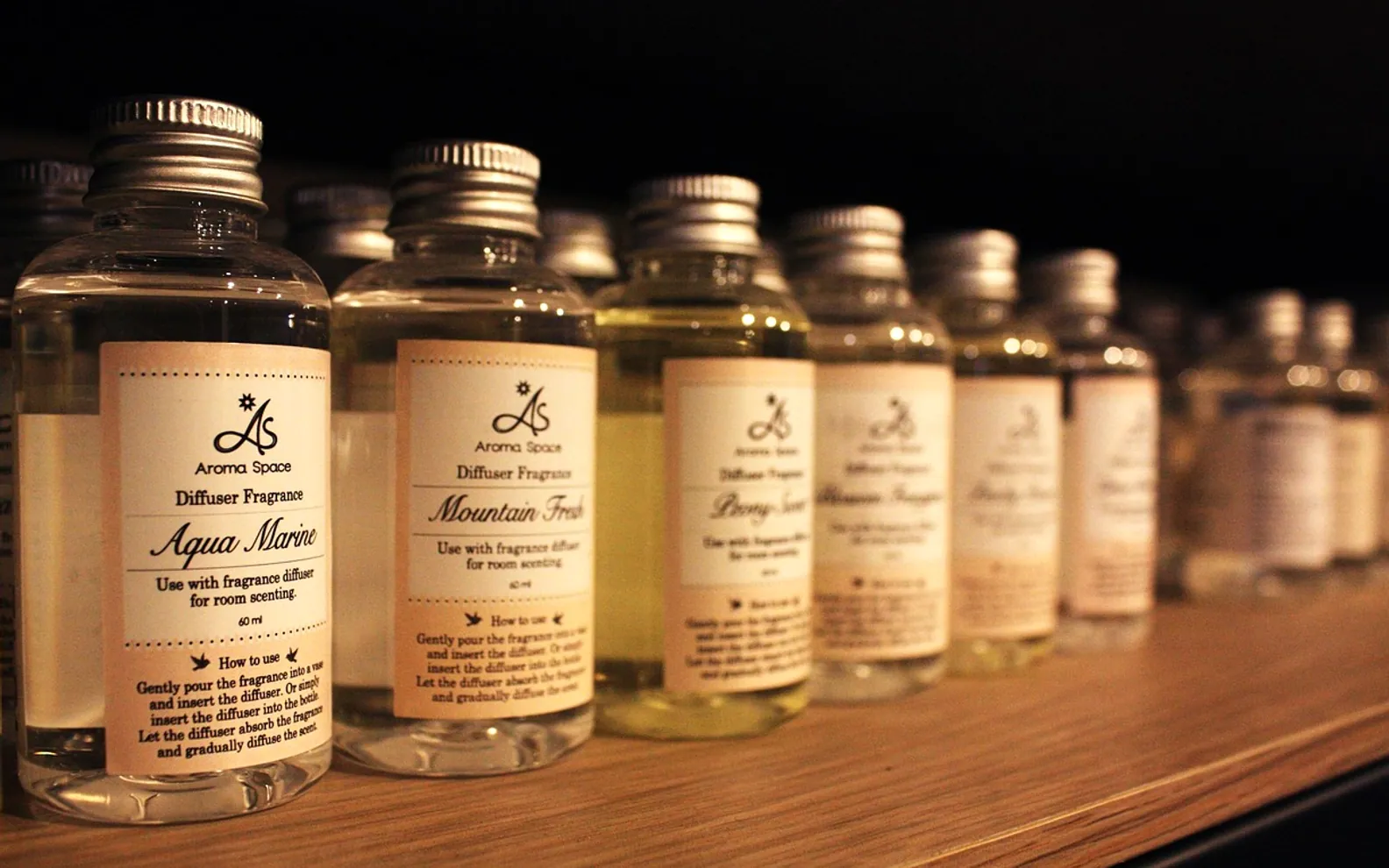
Blow moulding — spelled blow molding in American English — is a manufacturing process for hollow plastic parts. A tube or pre-shaped piece of softened plastic is placed inside a mould, then air is blown into it so the plastic expands and takes the shape of the mould walls. Once it cools, the mould opens and out comes a bottle, can or tank with a hollow interior.
The basic idea
Think of inflating a balloon inside a box: the balloon swells until it presses against every side. Blow moulding does the same with hot plastic. Because the part is formed from the inside by air pressure, there is no core to pull out afterwards, which is why the method suits containers with narrow necks and wide bodies.
The three main types
Extrusion blow moulding
An extruder melts plastic pellets and pushes out a hanging tube called a parison. Two mould halves close around it, pinching the bottom shut, and air inflates it. Excess plastic, known as flash, is trimmed off and usually reground. This method makes milk jugs, detergent bottles, jerrycans, drums and even car fuel tanks, and it can produce handles because the parison can be pinched into a hollow loop.
Injection blow moulding
First, plastic is injected around a core rod to form a preform with a finished neck and thread. The preform is then moved into a blow mould and inflated. It produces very accurate necks and little waste, so it is popular for small medical and cosmetic bottles.
Injection stretch blow moulding
Used for most drinks bottles, this variant starts with a test-tube-shaped preform made by injection moulding. The preform is reheated, stretched lengthways by a rod and inflated sideways at the same time. Stretching aligns the polymer chains in two directions, giving thin walls that are strong, clear and good at holding carbonation.
| Type | Starting form | Typical products | Strengths |
|---|---|---|---|
| Extrusion blow moulding | Parison tube | Jugs, jerrycans, tanks, drums | Large sizes, integrated handles |
| Injection blow moulding | Preform on a core rod | Small pharmaceutical and cosmetic bottles | Precise necks, minimal scrap |
| Injection stretch blow moulding | Reheated preform | Water and soft-drink bottles | Thin, strong, clear walls |
Step by step: extrusion blow moulding
- Plastic pellets are fed into a heated barrel and melted by a rotating screw.
- The melt is pushed through a die to form a parison of controlled wall thickness.
- The mould closes around the parison and seals one end.
- Compressed air is blown in through a pin or needle, pressing the plastic against the cooled mould.
- The part cools until it holds its shape.
- The mould opens, the part is removed and the flash is trimmed.
On automated lines, timing for each of these steps — parison drop, mould clamp, blow and cooling — is typically sequenced by a programmable logic controller.
Materials used
- HDPE: the workhorse for opaque household and industrial containers.
- PET: the standard for clear drinks bottles via stretch blow moulding.
- PP: chosen where heat resistance matters, such as hot-filled products.
- PVC and LDPE: used for some specialised or squeezable containers.
All of these are thermoplastics, and most carry a familiar code on the base of the container — our guide to plastic recycling numbers explains what each one means.
Blow moulding vs injection moulding vs extrusion
The three processes share a lot of equipment — all start by melting pellets with a screw — but they make different shapes:
- Injection moulding fills a closed cavity completely, producing solid parts such as caps, housings and gears.
- Blow moulding inflates plastic against a cavity, producing hollow parts with a single opening.
- Extrusion pushes melt continuously through a shaped die, producing long profiles such as pipes, window frames, sheet and film that are cut to length.
Design points and common defects
Wall thickness is the main challenge. Corners and far edges stretch the most, so they end up thinnest unless the parison or preform is shaped to compensate. Other issues engineers watch for:
- Uneven walls that weaken the part or waste material.
- Weak pinch-off seams at the base of extrusion-blown parts.
- Warping from uneven cooling.
- Surface marks caused by trapped air between plastic and mould.
Quick questions
Why are most bottle necks so precise if the body is blown?
In injection and stretch blow moulding, the neck is formed by injection moulding before blowing, so it keeps tight dimensions for the cap.
Can blow moulding make small batches?
It is usually economical for medium to very high volumes because moulds and machines are expensive. For prototypes, designers often turn to other methods, as covered in our comparison of 3D printing and injection moulding.
Tell us what you think.
Corrections are always welcome.