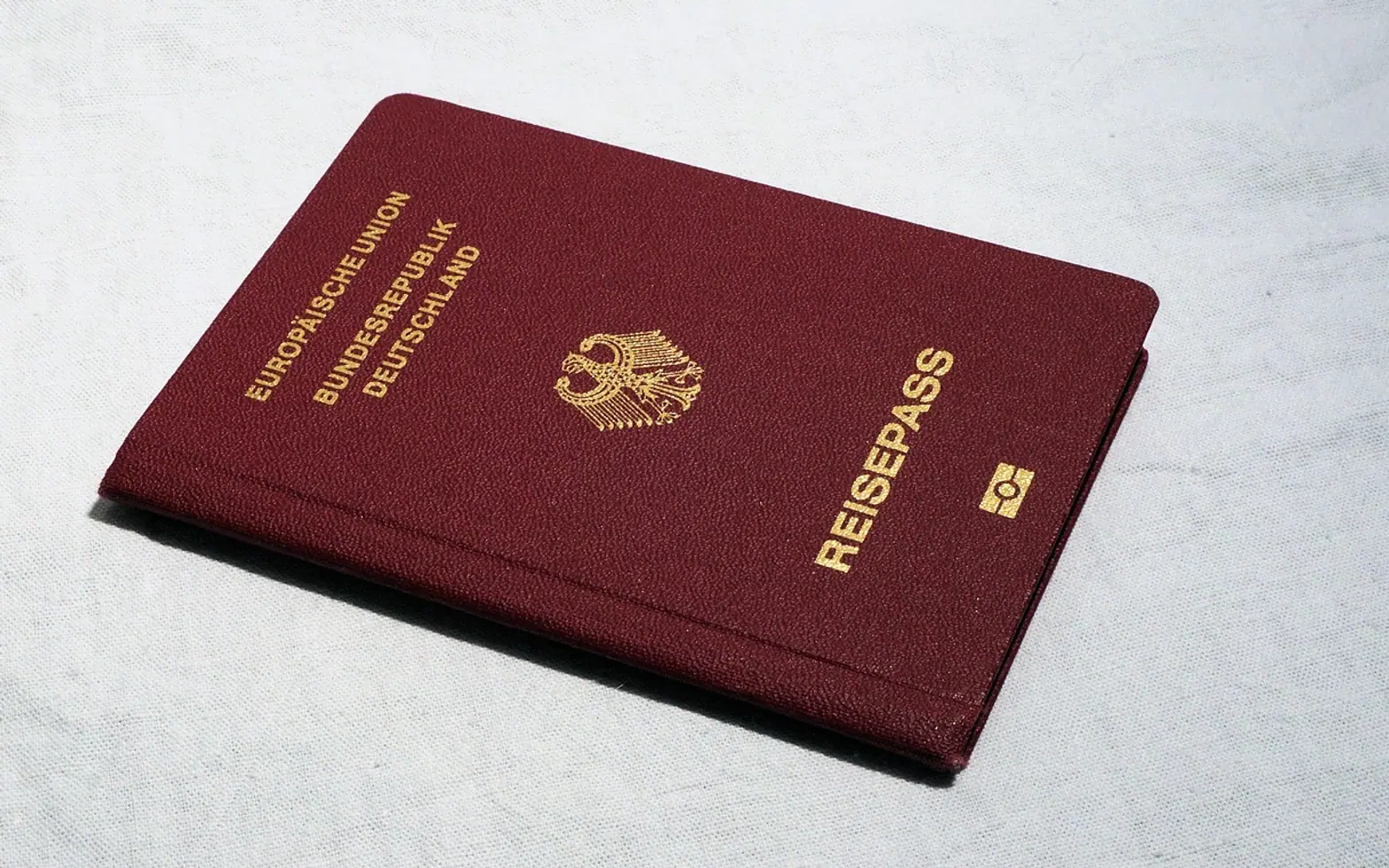
Counterfeit identity documents have become harder to detect by eye. Printing equipment and materials that were once specialist are now widely available, so a quick glance under a UV lamp is no longer enough for venues, retailers and online services that must confirm who they are dealing with and how old they are.
Why manual checks fall short
Staff at a busy door or checkout have seconds to inspect a card, often in poor light. They may be unfamiliar with documents from other regions or countries, and a convincing fake can reproduce holograms and microprint well enough to pass a casual look. Software-based tools address these gaps by comparing a document against detailed templates and checking data that is invisible to the naked eye.
The main technologies in use
Barcode and magnetic stripe reading
Many driving licences carry encoded data on the back. Scanners read that data and compare it with the printed front of the card. A mismatch, or encoding that does not follow the issuing authority's format, is a strong warning sign.
Optical document analysis
Camera-based systems photograph the document and examine fonts, layout, security features and the machine-readable zone found on passports and many ID cards. They check that dates, check digits and formatting are consistent with the type of document presented.
Chip reading
Modern passports and many national ID cards contain a contactless chip with digitally signed data. Reading the chip with a compatible device lets a system confirm the data has not been altered since issue.
Face matching and liveness checks
For remote onboarding, the photo on the document is compared with a live selfie or short video. Liveness detection aims to confirm that a real person is present rather than a printed photo or a screen.
Examples of available services
Several providers package these techniques into apps and developer interfaces. Some focus on quick age checks at the point of sale, popular with businesses selling age-restricted goods. Others, such as services offering id card verification through an API, extract the document data in a structured format so it can feed into a company's own onboarding or customer management systems, and can combine data checks with biometric face comparison.
Choosing a tool: questions to ask
- Which document types and countries are supported?
- Does it work offline, or only with an internet connection?
- How are images and personal data stored, for how long, and where?
- Does the provider help with obligations under data protection law, such as GDPR or local equivalents?
- How easily does it integrate with existing point-of-sale or app systems?
- What happens when a check is inconclusive, and how is that presented to staff?
Technology plus judgement
No system is perfect. False alerts and missed fakes can both occur, and the quality of the camera, lighting and the document's condition all affect results. Clear procedures for staff, such as asking for a second form of ID or declining a sale when in doubt, remain important. Businesses should also be transparent with customers about why scans are taken and how their information is protected. Used responsibly, verification tools make compliance more reliable while keeping the check itself quick for genuine customers.
Tell us what you think.
Corrections are always welcome.