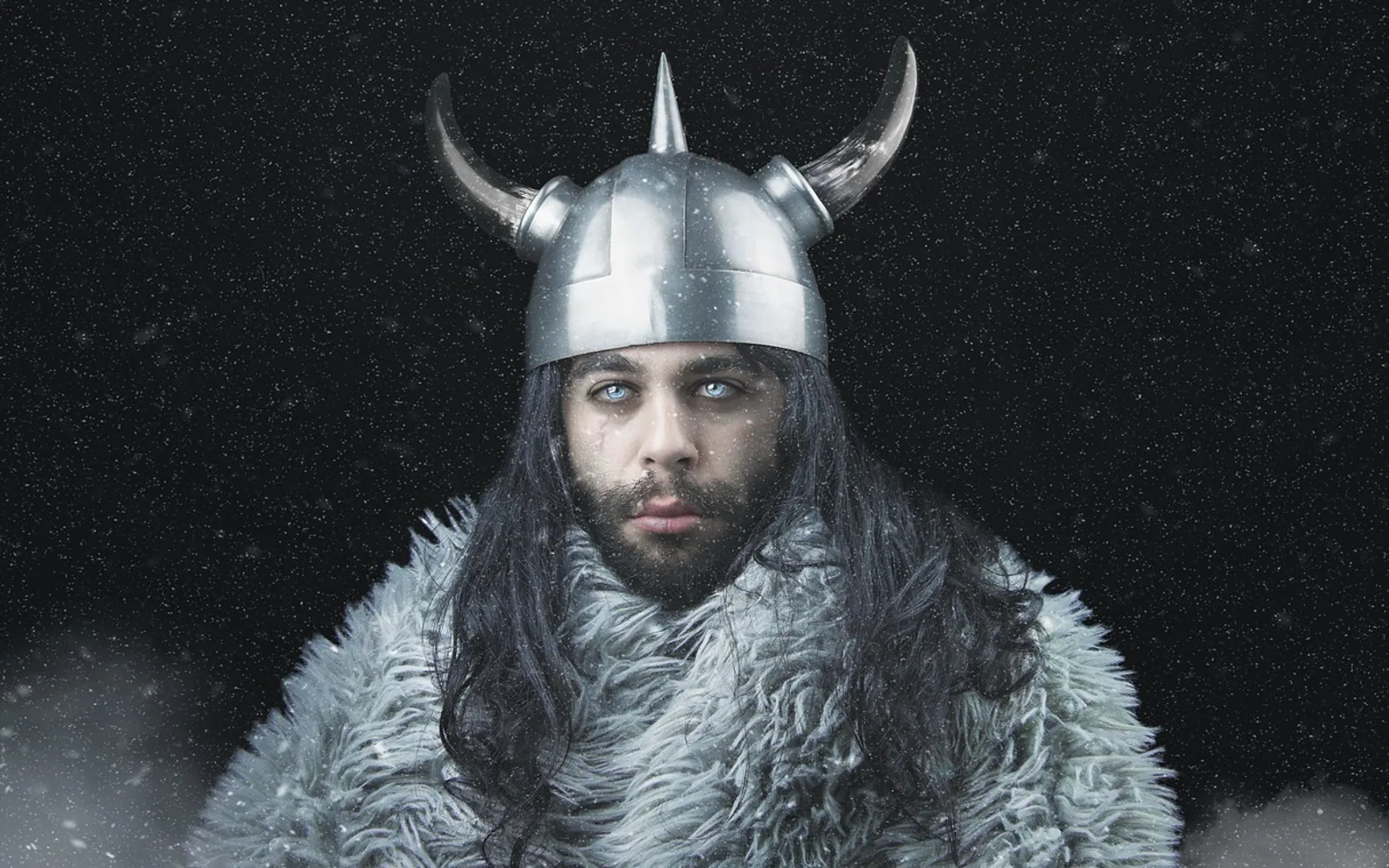
Horned helmets look dramatic, but historians generally agree that Viking warriors did not wear them into battle. That single detail captures the tension game artists face when designing Norse characters: players expect a certain swagger, yet the most memorable designs are grounded in what the historical record actually suggests.
Starting with the historical record
Archaeological finds and written sources describe a practical, resourceful people. Their kit was built for use rather than display, and that practicality can give a character credibility. Useful reference points include:
- round wooden shields, often painted, with a central iron boss,
- spears and axes as common weapons, with swords more prized and less widespread,
- simple iron helmets for those who could afford them,
- layered wool and linen clothing, belts, brooches and leather footwear.
Designers often blend this research with artistic licence, but knowing where the line sits allows deliberate choices instead of accidental clichés.
Lore that gives characters depth
Norse mythology offers a rich layer of storytelling: gods such as Odin and Thor, the nine realms, sagas of exploration and feuds. Characters gain depth when their visual design reflects personal history. Carved runes on a weapon, wear from long voyages or a protective amulet can hint at beliefs and past adventures. Small cultural details, such as distinctive jewellery styles or textile patterns, make a character feel rooted in a real world.
From concept sketch to finished model
Turning an idea into a playable figure follows a well-established pipeline. Studios explaining their approach to Creating realistic 3d Viking characters typically describe stages like these:
- Concept art to define silhouette, costume and personality.
- High-resolution sculpting for anatomy, faces and fine details like stitching and scars.
- Retopology to create an efficient mesh that game engines can handle.
- UV mapping and texturing to apply materials such as weathered iron, fur and leather.
- Rigging and skinning so the model can move convincingly.
- Testing in engine under real lighting and animation.
Each step involves trade-offs between visual fidelity and performance, especially for games that must run on a range of hardware.
Keeping characters alive over time
Many modern titles run as ongoing services with regular updates. That creates room for seasonal armour sets, new story chapters and character variations tied to events or festivals from Norse tradition. Planning modular gear and flexible rigs early makes these additions easier to produce without rebuilding a character from scratch.
Why Norse heroes endure
Exploration, harsh landscapes, loyalty and myth make Viking settings naturally dramatic. When artists combine careful research, thoughtful lore and a disciplined production pipeline, the result is a character that players believe in, one who feels less like a costume and more like someone who has truly sailed cold northern seas.
Tell us what you think.
Corrections are always welcome.