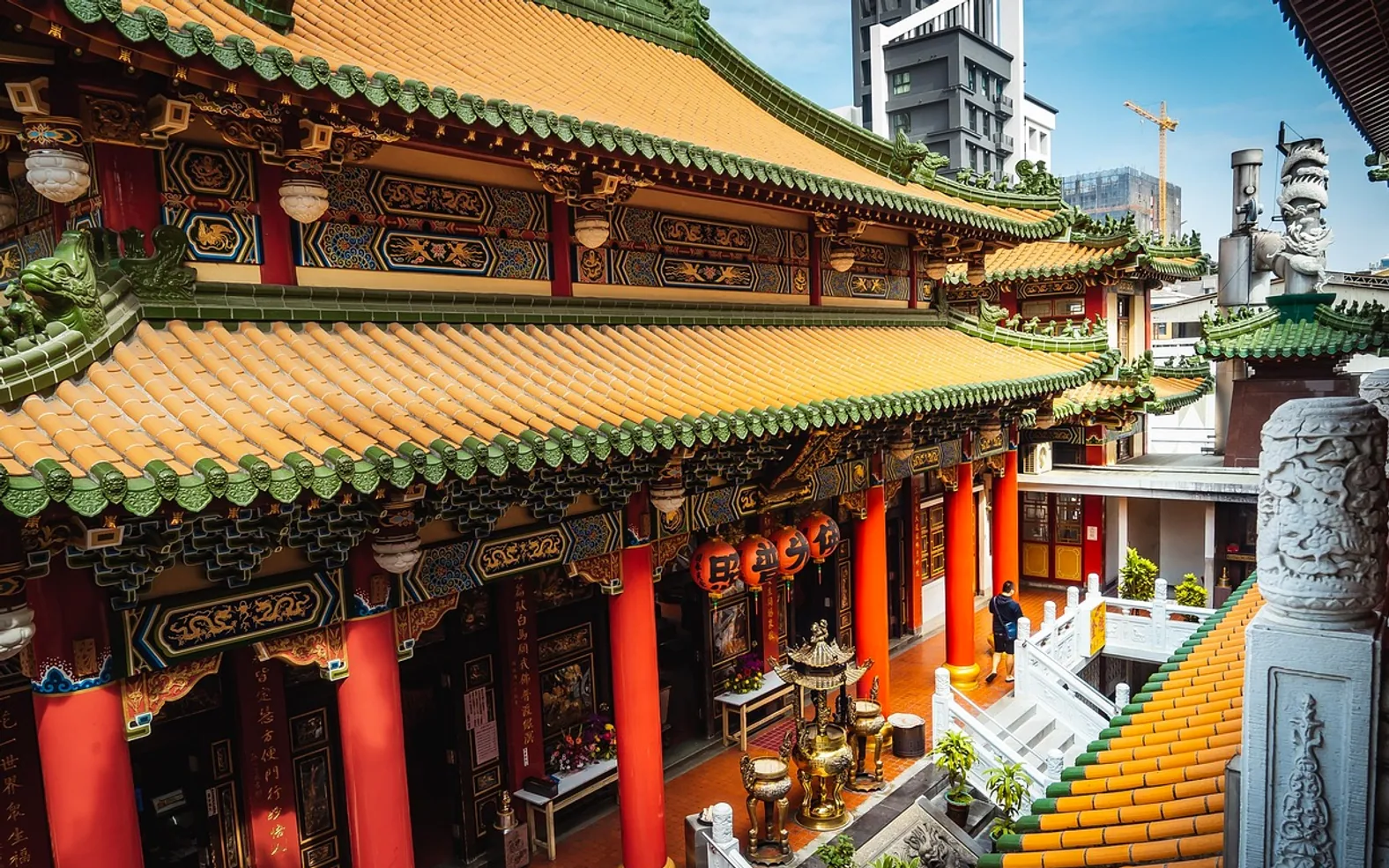
Choosing a resting place for a loved one is a deeply personal decision, often made during a time of grief. In land-scarce Singapore, columbaria attached to temples offer families a place where ashes can be kept with care and visited over the years. Lin San Temple Columbarium is one such place, combining a religious setting with a quiet space for remembrance.
Temples and remembrance in Singapore
With cremation the norm for many families in Singapore, columbaria have become central to how people honour those who have passed. Temple-based columbaria carry particular meaning for Buddhist and Taoist families, because the niches sit within an environment of ongoing prayer and ritual. Many families find comfort in knowing that a loved one rests in a place where chanting and offerings continue throughout the year.
A setting for reflection
Visitors to temple columbaria often describe the atmosphere as calm and contemplative. Traditional architectural elements, incense and quiet halls encourage people to slow down. Rather than a single visit after a funeral, families often return regularly, for anniversaries, festivals or simply when they want to feel close to someone they miss.
Rituals and observances
Several occasions in the calendar draw families to columbaria:
- Qing Ming: a period for honouring ancestors, often with offerings and cleaning of niches.
- The Seventh Month: observed by many Chinese families with prayers for departed souls.
- Death anniversaries and birthdays: personal dates when relatives visit to remember.
- Temple prayer sessions: chanting or memorial services arranged by the temple.
Practices differ from family to family and temple to temple, so it is helpful to ask about the specific services and schedules offered.
Visiting etiquette
- Dress modestly and speak quietly in prayer and niche halls.
- Follow guidance from temple staff on where offerings and joss sticks can be placed.
- Avoid photographing other families' niches.
- Check opening hours, as they may change during festival periods when crowds are larger.
Practical points for families
When considering a niche, families often look at factors such as location within the hall, accessibility for elderly relatives, the type and size of niche, the tenure period, maintenance arrangements and what religious services are included. It is reasonable to visit in person, ask for written terms and take time before deciding. Some families choose to arrange a niche in advance, which can ease the burden on relatives later and allow everyone involved to share their wishes calmly.
Continuity across generations
A columbarium is not only a place for the past. When grandchildren accompany parents during Qing Ming or join a memorial prayer, they learn family history and the customs that link generations. In that sense, a temple columbarium can help keep memories and traditions alive, offering a peaceful place where remembrance remains part of everyday family life.
Tell us what you think.
Corrections are always welcome.