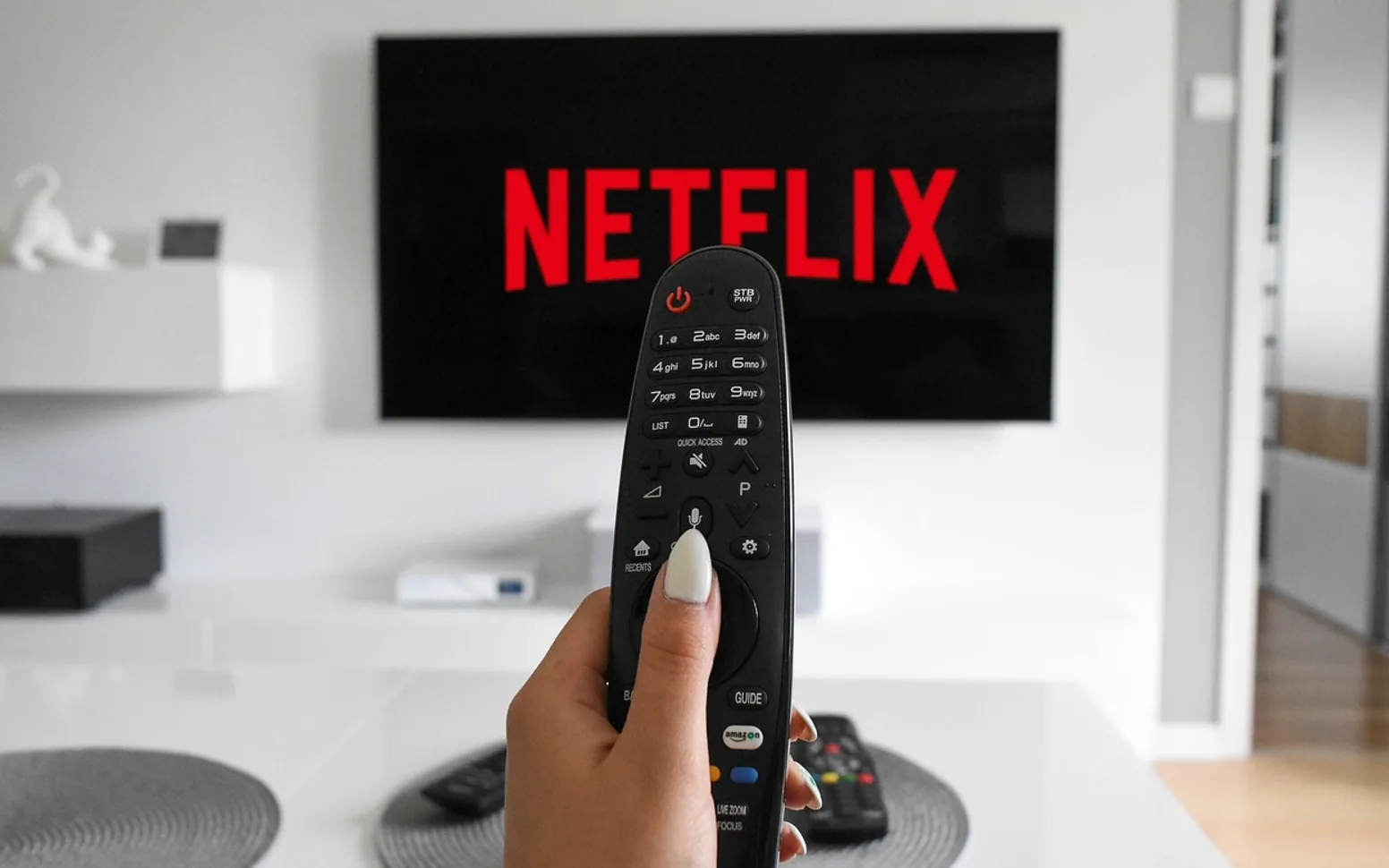
Television used to be something that happened at a set time. If a programme started at eight and you got home at half past, you had missed the beginning. Internet Protocol Television rewrites that arrangement, and its growth reflects a broader change in how people expect entertainment to fit around them.
The idea in brief
Older systems broadcast every channel at once over the air, through cable or by satellite. Internet-based television sends content as data over a broadband connection, delivering the stream a viewer has asked for. That simple difference makes a range of features possible: pausing live channels, restarting shows, scrolling back through a programme guide to watch something already aired, and browsing large on-demand libraries.
Why it attracts viewers
Flexibility is the headline benefit, but interactivity matters too. Viewers can search for a title rather than flicking through channels, build lists of favourites and pick up on a phone where they left off on the television. In markets such as Portugal, providers offering IPTV packages compete on channel selection, device support and price. As with any subscription, viewers should verify that the provider is licensed or authorised to distribute its channels in their country.
Features people actually use
- Catch-up TV: programmes from recent days available whenever convenient.
- Cloud recording: recordings stored on the provider's servers rather than a home box.
- Multi-screen viewing: different family members watching different things on separate devices.
- Personal profiles: recommendations and watch history kept separate for each person.
- Parental controls: limits on content by age rating or time of day.
What it requires
A stable broadband connection is the foundation. Standard-definition and HD streams need less bandwidth than 4K, and several simultaneous streams add up, so households with many viewers should check their connection's real-world speed in the evening. Most services work through smart TV apps, streaming sticks or a provider-supplied box. Placing the router close to the television, or using a network cable, reduces buffering.
Possible drawbacks
Because everything depends on the internet connection, an outage takes the television with it. Picture quality can drop briefly when the network is congested. Some services limit the number of devices or lock certain content to particular regions. Reading the terms carefully, especially about contract length and cancellation, avoids unpleasant surprises.
Where on-demand viewing is heading
The distinction between live television and streaming platforms keeps narrowing. Broadcasters are investing in their own apps, operators are improving interfaces, and viewers increasingly expect to watch anything, anywhere, at a time of their choosing. Internet Protocol Television sits at the centre of that shift, combining the familiarity of channels with the freedom of on-demand viewing.
Tell us what you think.
Corrections are always welcome.