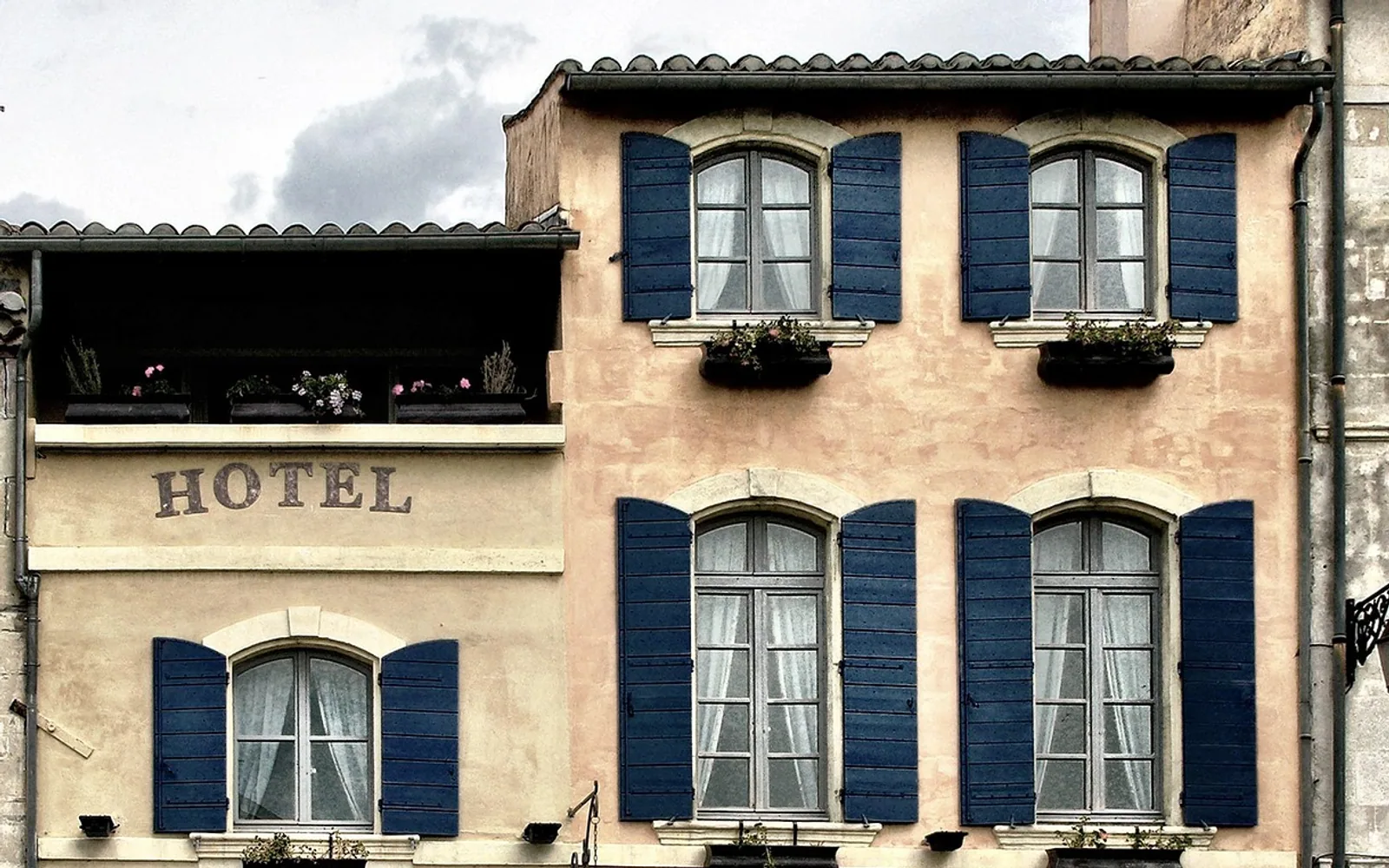
An apartment in the eleventh arrondissement and a stone farmhouse outside Avignon have little in common, except perhaps the evening ritual of switching on the television. Increasingly, both homes receive their programmes the same way: through the internet connection rather than an aerial or satellite dish.
How internet television works
Internet Protocol Television delivers channels and on-demand content as data streams over broadband. The viewer's box or app requests a programme and the provider sends it. This approach makes it possible to pause live broadcasts, restart programmes, browse catch-up libraries and watch on several devices with one account. In France, the major internet providers have long bundled television with their broadband offers, so many households already use the technology without giving it a name.
Why it suits French viewers
Television in France carries cultural weight: news, debates, cinema, sport and regional programming all compete for attention. Internet delivery helps people keep up on their own terms. Commuters can follow the morning news on a phone, families can save a film for the weekend, and fans can catch a match on a tablet in the garden. Offers marketed as IPTV premium France are among the options viewers encounter when comparing services, and as with any provider, the essential check is whether it is licensed or authorised to distribute the channels it lists.
Compared with traditional reception
| Feature | Aerial or satellite | Internet delivery |
|---|---|---|
| Installation | Antenna or dish needed | Broadband connection and compatible device |
| Timing | Mostly live schedule | Live plus pause, restart and catch-up |
| Devices | Usually one fixed set | TV, computer, tablet and phone |
| Weak points | Weather and signal obstacles | Depends on internet quality |
City and countryside
In dense urban areas, fibre connections are widespread and streaming is usually smooth. Rural areas have historically had slower lines, though network upgrades have been extending faster connections to more villages. Households outside the main cities should check the speed available at their address and consider whether their connection can handle several streams at once.
Features that make a difference
- Cloud recording, so programmes are stored without a hard drive at home.
- Multi-room viewing on different screens.
- Parental controls and separate profiles for children.
- Subtitles and original-language audio for international films and series.
Concerns worth taking seriously
Security, legality and support are the three questions to ask. Choose services that clearly identify the company behind them, publish terms and contact details, and process payments through recognised methods. Unlicensed streams may be cheap but can stop working at any time, expose devices to malware and leave customers without recourse. A reputable provider also offers help when a box or app misbehaves.
The direction of travel
As networks improve and apps mature, the line between "television" and "streaming" in French homes keeps fading. For viewers from the capital to the Mediterranean coast, that means more choice about what to watch, where and when.
Tell us what you think.
Corrections are always welcome.