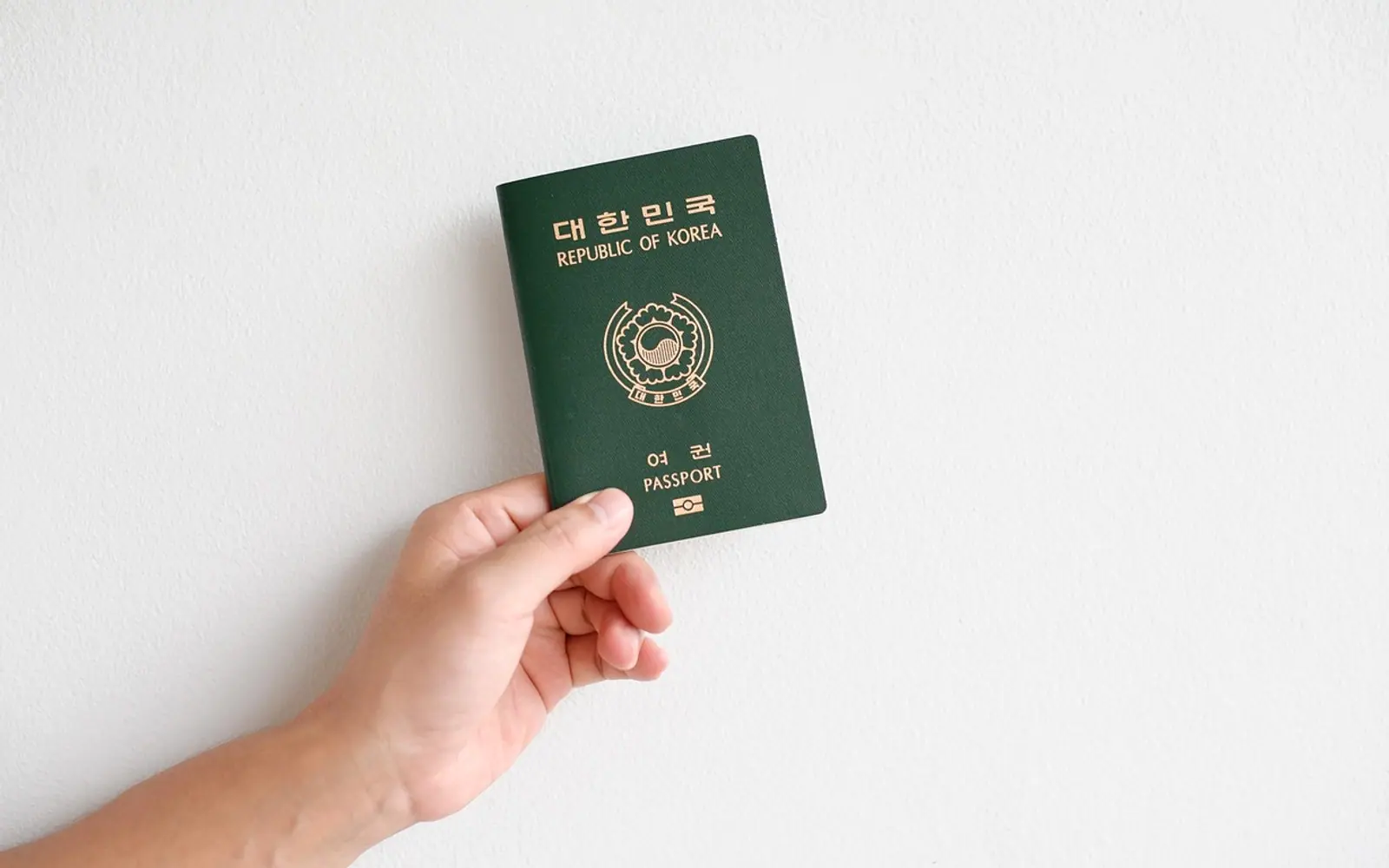
Diversification is a familiar idea to anyone who manages wealth: spread assets so one shock does not undo everything. A growing number of Nigerian entrepreneurs and families now apply the same logic to residency and nationality. Second citizenship programmes, which grant a passport in exchange for a qualifying contribution or investment, have moved from niche topic to regular boardroom conversation. This overview explains what they involve and what to examine before taking any step.
Why the idea attracts attention
For investors who travel frequently, visa applications can mean paperwork, waiting times and missed meetings. A second passport from a country with broader travel access may reduce that friction. Other motivations commonly mentioned include:
- wider choices for children's education abroad,
- access to international banking and business structures,
- a contingency plan for family security,
- the ability to include spouses, children and sometimes parents in one application.
Coverage of citizenship by investment in the Nigerian press reflects this rising interest among professionals and business owners.
How programmes are typically structured
Several countries, particularly in the Caribbean, have long-running schemes, while others offer residency-by-investment routes that may lead to citizenship after years of residence. Qualifying routes usually fall into a few categories: a non-refundable contribution to a government fund, an investment in approved real estate, or, in some cases, a business or bond investment. Thresholds, holding periods and family rules differ by country and change over time, so any figures you find online should be checked against official government sources.
Due diligence works both ways
Governments run background checks on applicants, examining the source of funds and personal history. Investors should run equally careful checks on the programme and the people promoting it. Useful questions include:
- Is the agent or firm authorised by the relevant government unit?
- What are all the fees, including government, due diligence and professional charges?
- Does Nigeria's legal framework allow you to keep your original nationality alongside the new one?
- What tax obligations could arise in either country?
- How stable is the programme, and how have its rules changed historically?
Risks worth taking seriously
Visa-free arrangements between countries can be revised, which may affect the travel benefits a passport offers. Real estate held under a programme can be illiquid and may not resell easily or at the purchase price. Currency movements, regulatory changes and reputational scrutiny of certain schemes add further uncertainty. None of this means the route is unwise, but it does mean the decision should not be rushed.
Making an informed decision
A second citizenship is a long-term commitment affecting family, finances and legal status. Treat any programme information as a starting point, not a recommendation. Independent legal and tax advice from qualified professionals in both jurisdictions is essential before transferring funds. Handled with that care, these programmes can become one carefully chosen part of a broader international plan rather than an impulse purchase.
Tell us what you think.
Corrections are always welcome.