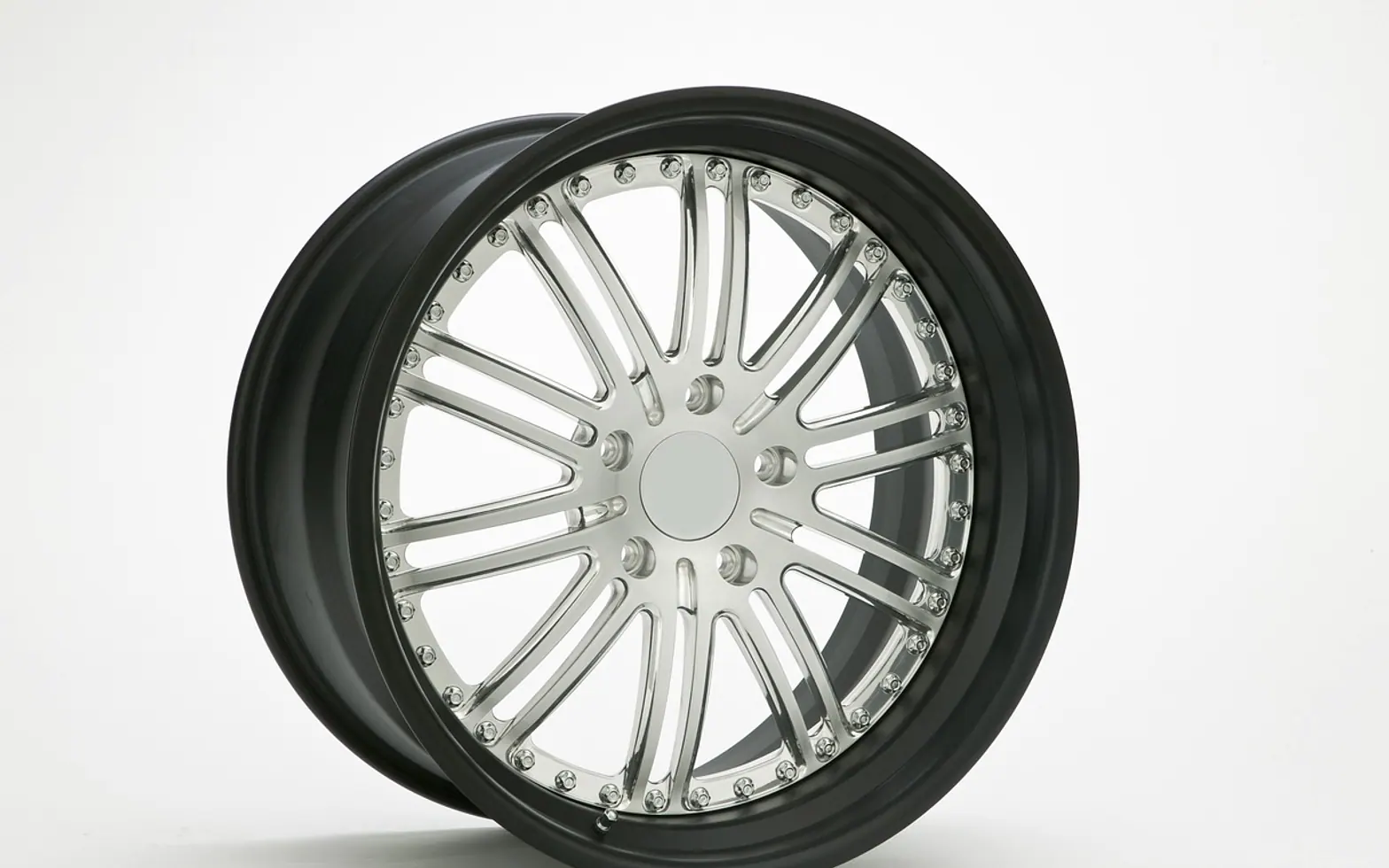
Tyres get most of the attention when drivers think about grip and safety, yet they rely completely on the wheel they sit on. A bent or corroded rim can cause slow leaks, uneven wear and vibration, quietly shortening the life of a perfectly good tyre. Keeping rims in good condition is one of the less glamorous parts of car care, but it pays off. Drivers who need a quick tyre fitting at home or work can find options such as Mobile Tyres Glasgow, and a careful look at the rims is worth including whenever tyres are inspected or changed.
How rims get damaged
Most damage happens in everyday driving rather than dramatic accidents:
- Kerb contact during parking scuffs and chips the outer edge.
- Potholes and speed bumps taken too quickly can bend the rim lip or, in severe cases, crack the wheel.
- Corrosion builds up where the tyre bead meets the rim, especially where roads are salted in winter.
- Brake dust left on alloy wheels can bake on and damage the finish over time.
The knock-on effect on tyres
A tyre needs an even, clean surface to seal against. When the rim is bent, the tyre may lose air gradually, and running at low pressure increases wear on the shoulders and affects handling. A buckled wheel can also produce a wobble or vibration felt through the steering, which may lead to irregular wear patterns. Corrosion at the bead seat is a frequent cause of mysterious slow punctures where no nail can be found.
Signs it is time for a closer look
- A tyre that needs topping up more often than the others.
- Vibration at certain speeds that was not there before.
- Visible dents, flat spots or cracks on the inner or outer edge.
- The car pulling to one side after a pothole impact.
Repair or replace?
Cosmetic scuffs and light kerb damage can often be refinished. Minor bends may be straightened by specialist wheel repairers using appropriate equipment. Cracks are a different matter: many professionals advise against welding structural cracks on road wheels, and replacement is usually the safer choice. Because safety is at stake, an assessment by a qualified tyre or wheel specialist is the right step rather than guessing at home.
Everyday care habits
Simple routines go a long way:
- Clean wheels regularly with a cleaner suited to the finish, removing brake dust before it builds up.
- Check tyre pressures monthly, when tyres are cold, against the vehicle maker's recommendations.
- Approach kerbs slowly and leave a little space when parallel parking.
- Slow down for potholes where it is safe to do so, and avoid braking hard while passing over them.
- Ask for wheel balancing and alignment checks when fitting new tyres or after a significant impact.
Looked after this way, rims support even tyre wear, a smoother ride and fewer unexpected trips to the roadside. It is a small investment of attention that protects both safety and the money spent on tyres.
Tell us what you think.
Corrections are always welcome.