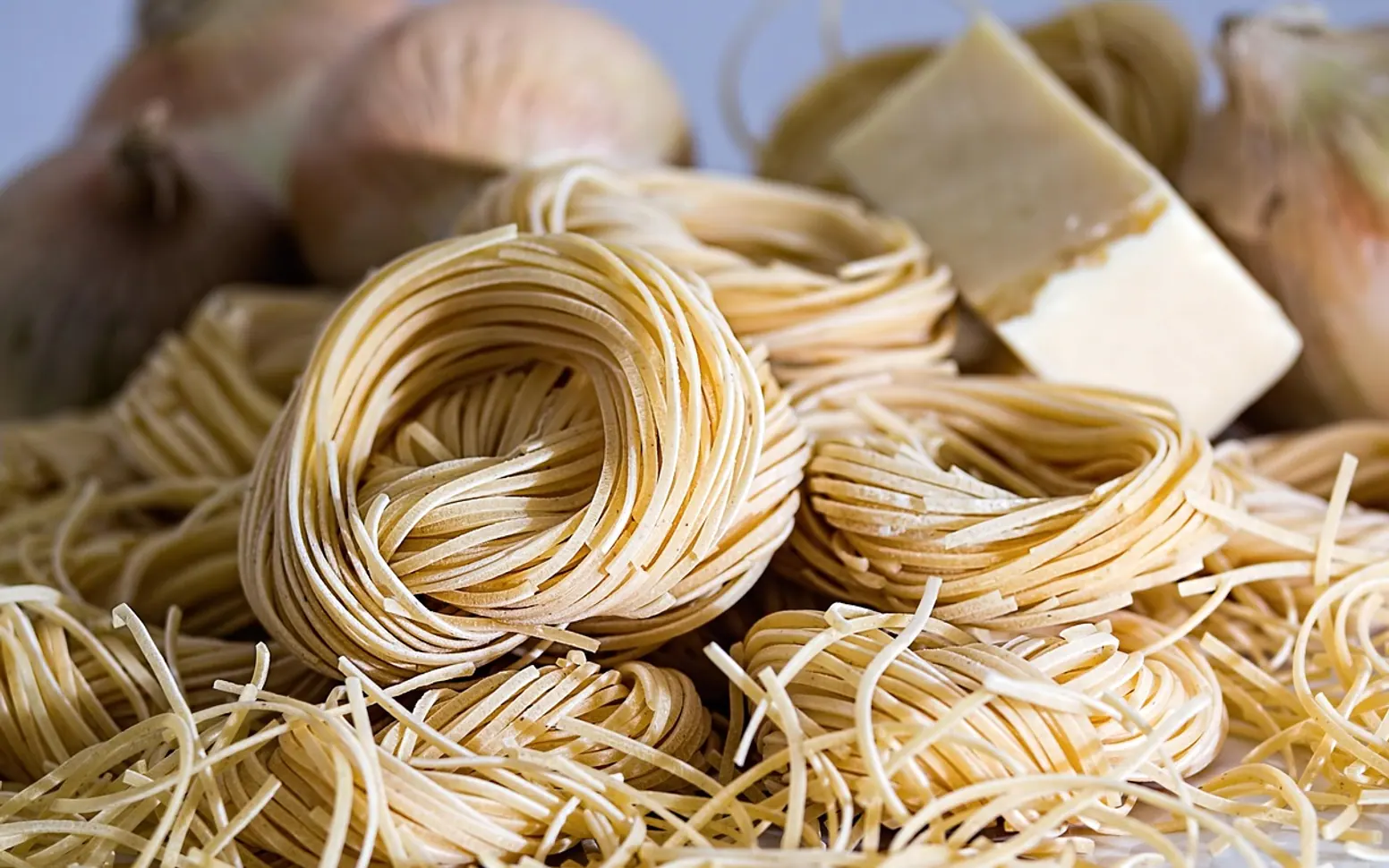
Pasta looks simple: semolina, water, sometimes egg. Turning those ingredients into tonnes of identical shapes every day, though, is a precise engineering task. Each stage of a modern line, from the first mixing of flour to the sealed bag, now relies on machinery designed to control texture, moisture and hygiene far more tightly than older equipment could.
Mixing and kneading under control
The quality of the finished product depends heavily on the dough. Contemporary mixers dose flour and water accurately and can run under vacuum, which reduces air bubbles and helps give pasta its characteristic colour and firmness. Sensors monitor conditions such as temperature and moisture so that operators, or the control system itself, can adjust the process when ingredients or room conditions vary. Specialist manufacturers of macchinari per produzione pasta design these units to work as part of a complete line rather than as isolated machines.
Extrusion and shaping
Most dried pasta is formed by pushing dough through a die. The die material and design affect both the shape and the surface: bronze dies are traditionally associated with a rougher texture that holds sauce, while other materials give a smoother finish. Newer extruders make it quicker to swap and clean dies, so a factory can switch between shapes with less downtime. For fresh and filled products, sheeters, cutters and forming machines handle lasagne sheets, ravioli and tortellini with consistent sizing.
Drying: the stage that decides shelf life
Drying removes moisture slowly enough to prevent cracking while making the product stable for storage. Modern dryers use carefully staged zones of temperature, humidity and airflow. Better insulation and heat recovery can reduce energy use, and automated monitoring helps keep conditions steady across long production runs. Some systems use data analysis to fine-tune the drying curve, although the right settings still depend on the shape and recipe.
Quality checks and packaging
At the end of the line, automation continues to play a part:
- Vision systems inspect products for broken pieces, discolouration or foreign material.
- Checkweighers confirm each pack meets the declared weight.
- Metal detectors provide an additional safety layer.
- Packaging machines form, fill and seal bags or boxes at speed, often with options for modified atmosphere packing for fresh pasta.
Hygiene by design
Food safety rules require equipment that can be cleaned thoroughly. Stainless steel construction, smooth surfaces without hidden crevices and components that come apart easily all help. Some lines integrate clean-in-place systems that reduce manual cleaning time and make routines more repeatable.
What producers weigh before investing
| Consideration | Why it matters |
|---|---|
| Capacity | Matching output to realistic demand avoids idle equipment |
| Flexibility | Quick changeovers support a wider product range |
| Energy use | Drying is energy intensive, so efficiency affects running costs |
| Service and spare parts | Downtime is costly; local support can be decisive |
| Integration | Machines that share data simplify monitoring and traceability |
For smaller artisan producers, compact machines bring some of these benefits without needing a full industrial line. At every scale, the goal is the same: protect the character of a traditional food while making production more consistent and efficient.
Tell us what you think.
Corrections are always welcome.