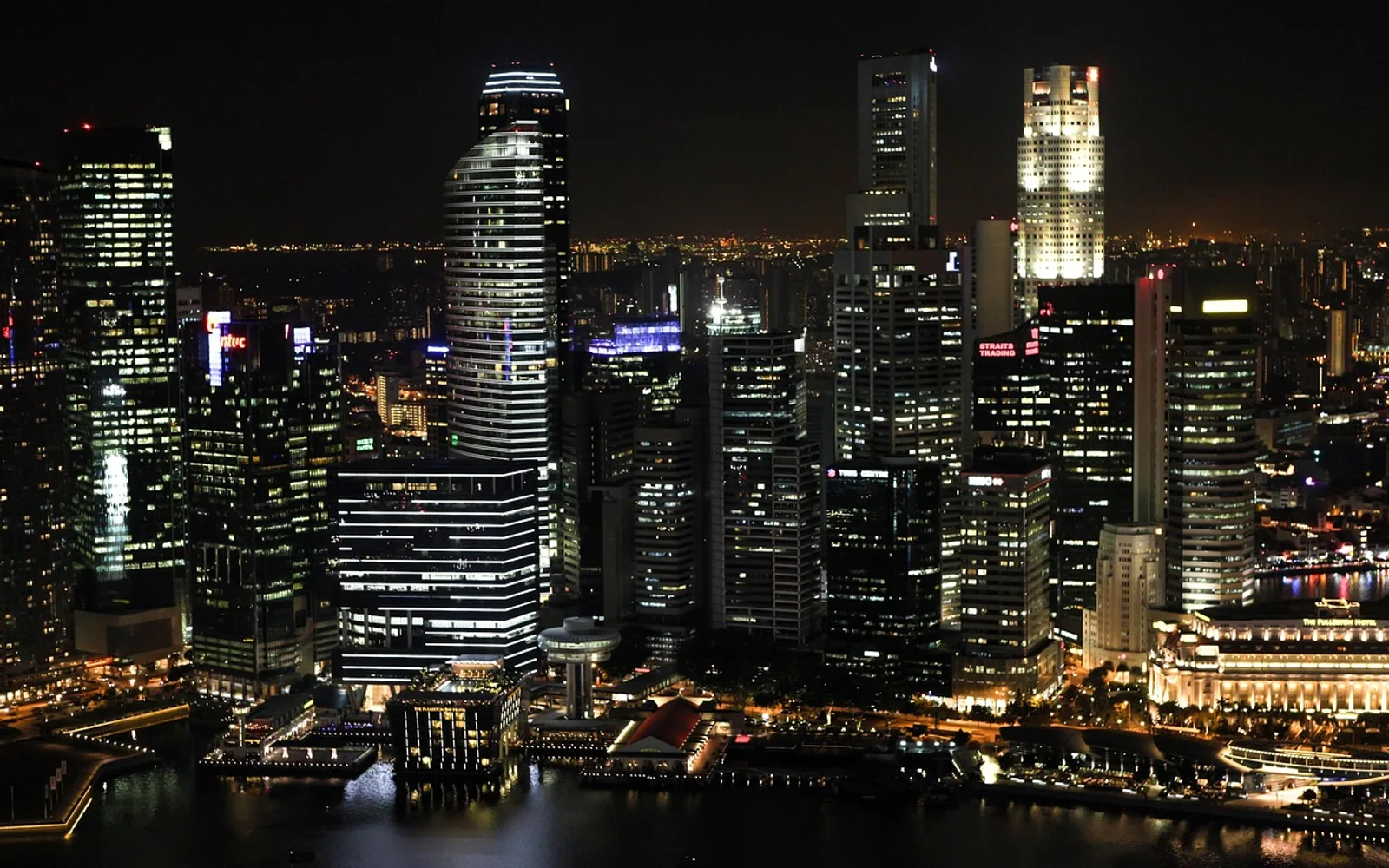
Few cities pack as much into as small a footprint as Singapore. Glass towers stand a short walk from hawker centres, tropical parks thread between housing estates, and four official languages share the street signs. Relocating here is usually smooth for those who prepare, and the notes below cover the areas newcomers tend to ask about first.
Finding somewhere to live
Housing broadly splits into public flats built under the Housing and Development Board and private condominiums or landed homes. Eligibility rules for buying public housing depend on residency status, so many foreigners start by renting, often in a condominium with shared facilities. Developments in established residential districts, such as the Continuum at Thiam Siew Avenue, illustrate the kind of private projects that combine pools, gyms and landscaped grounds with access to the city.
When comparing options, think about daily routines rather than floor plans alone:
- How long is the commute to work, and is an MRT station nearby?
- Which schools are within reach if you have children?
- Are supermarkets, clinics and green space close by?
Rental agreements and property purchases involve specific legal and tax rules, including stamp duties that differ by buyer profile, so it is sensible to confirm current requirements with a licensed agent or lawyer.
Understanding local customs
Singapore's Chinese, Malay, Indian and Eurasian communities each bring their own festivals, food and traditions. Small gestures go a long way: removing shoes before entering a home, using both hands when offering a business card, and being mindful of dietary customs when hosting. English is the main working language, though picking up a few words of Mandarin, Malay or Tamil is always appreciated.
The city is known for orderliness, and rules around littering, smoking areas and public behaviour are enforced. Learning them early avoids awkward moments.
Getting around
Public transport is clean and extensive. The MRT network connects most districts, buses fill the gaps, and a contactless card or bank card covers fares on both. Owning a car is expensive because of the quota system for vehicle ownership, so many residents rely on trains, buses, taxis and ride-hailing apps instead.
Healthcare and schooling
Singapore offers high standards of public and private healthcare. Expatriates should check what their employer's insurance covers and consider additional private cover where needed. For families, the choice lies between local schools, which have limited places for foreign students, and international schools that follow various national curricula. Application timelines can be long, so start early.
Settling in
Hawker centres are a quick route into local life: affordable, sociable and full of regional dishes. Weekends can be spent cycling park connectors, visiting nature reserves or exploring neighbourhoods such as Joo Chiat and Tiong Bahru. Expat groups, sports clubs and volunteering organisations make it easier to build a social circle.
The heat and humidity take some adjusting to, as does the pace of a busy financial hub. Give yourself a few months, stay curious and the Lion City quickly starts to feel like home.
Tell us what you think.
Corrections are always welcome.