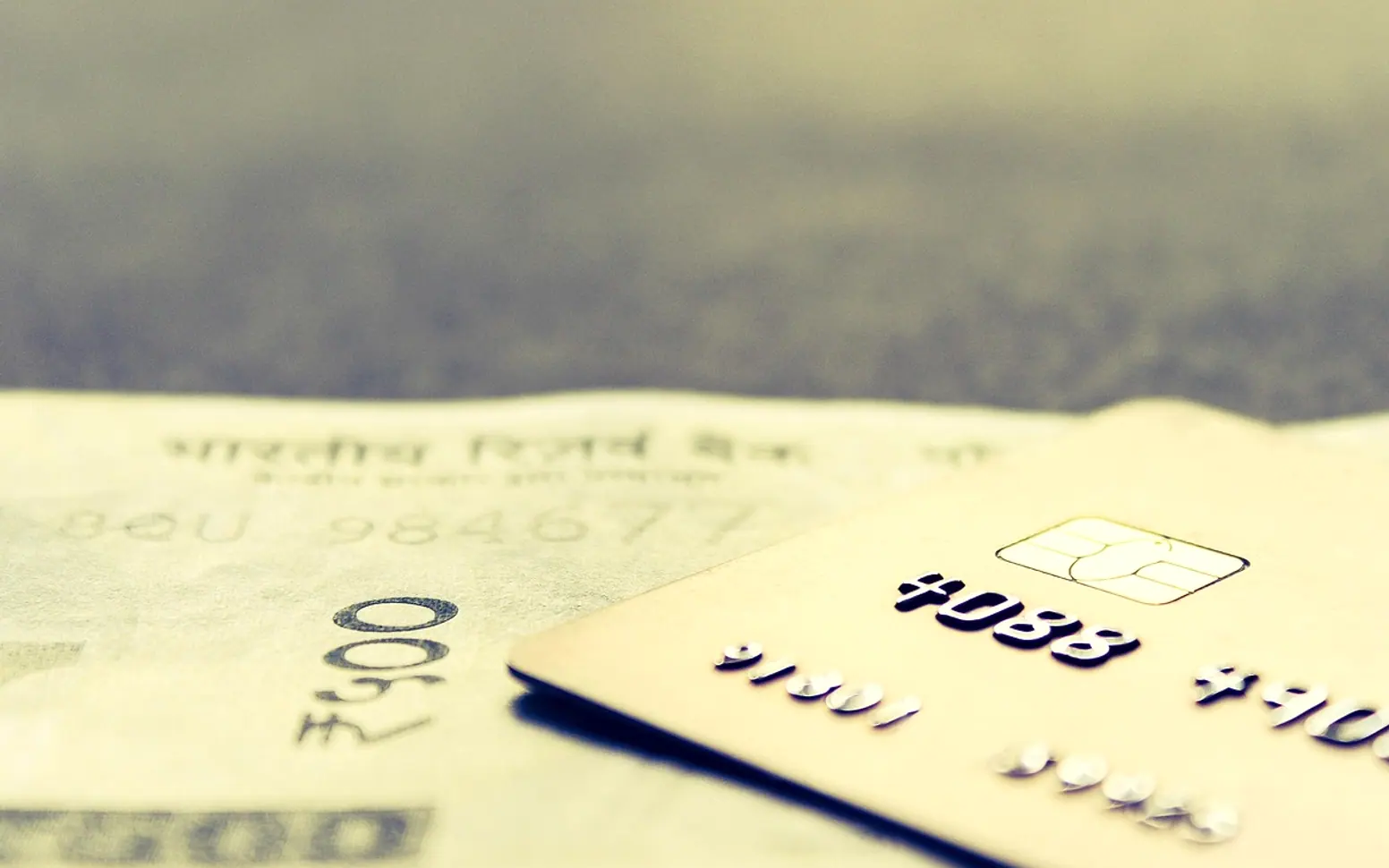
India has become one of the world’s most dynamic digital payments markets, and consumer trust is the biggest reason behind that growth. In just a few years, digital payments have moved from being a convenient option to an everyday habit for millions of people. From street vendors and supermarkets to utility bills and peer-to-peer transfers, Indian consumers now expect payments to be instant, easy, and reliable. The rise of UPI-powered apps, mobile wallets, and banking platforms has not happened by chance. It has been built on a strong mix of convenience, security, government support, and a user experience that feels increasingly local and intuitive. When we look closely, it becomes clear why Indian digital payment platforms are earning lasting confidence across urban and rural markets alike.

Convenience Has Turned Digital Payments Into a Daily Necessity

The first and most visible reason consumers trust Indian digital payment platforms is simple: they work seamlessly in daily life. A payment system builds trust when it reduces friction, and that is exactly what India’s leading platforms have done. Users can pay for groceries, recharge mobile plans, send money to family, settle rent, and even make micro-payments with just a few taps.

The rise of QR-code payments has been especially important. Small merchants no longer need expensive payment terminals, while customers do not need to carry cash or wait for change. This convenience creates repeat usage, and repeat usage naturally builds confidence. Once users experience that a transaction can be completed within seconds, they are more likely to return to the same platform again and again.

Another major factor is interoperability. Consumers do not want closed systems that limit where and how they can pay. India’s digital payment ecosystem, especially through UPI, has made transfers between banks and apps remarkably easy. That openness strengthens trust because users feel they are part of a larger, dependable network rather than trapped in a single provider’s ecosystem. For readers who want a broader overview of the market and its evolution, resources such as 印度支付 help explain the wider landscape shaping consumer behavior.

Security and Regulation Have Made Trust More Practical

Convenience may drive adoption, but security sustains it. Indian consumers are increasingly aware of online fraud, data misuse, and phishing attempts. Trust grows when platforms actively show that they take these risks seriously. Many leading digital payment providers now offer multi-layer authentication, device verification, app locks, real-time alerts, and transaction history that is easy to monitor. These features make users feel more in control of their money.

Equally important is the role of regulation. The presence of the Reserve Bank of India, the National Payments Corporation of India, and clear compliance standards gives consumers an additional layer of confidence. People are more willing to use payment platforms when they believe there are rules, accountability, and oversight behind the system. This institutional backing differentiates Indian digital payments from many loosely regulated financial technologies seen elsewhere.

Trust is also reinforced by transparency. Consumers can quickly confirm whether a payment has succeeded, failed, or is pending. Refund timelines are clearer than before, dispute mechanisms have improved, and app interfaces increasingly explain charges, bank links, and payment status in simple language. These may seem like small details, but together they make digital finance feel safer and more predictable.

Moreover, platforms that respond quickly to suspicious activity, educate users about scams, and continuously improve security messaging tend to win long-term loyalty. In a trust-based economy, prevention and communication matter just as much as technical protection.

Mass Acceptance Across Merchants and Regions Strengthens Confidence

Consumers trust what they see others using. One reason Indian digital payment platforms have become so credible is their visible presence everywhere. It is no longer just large retailers or e-commerce brands accepting digital payments. Tea stalls, auto-rickshaw drivers, pharmacies, tuition teachers, and local service providers now display QR codes and support instant transfers. This everyday visibility normalizes digital payments and reduces hesitation for first-time users.

Merchant acceptance also creates a network effect. As more businesses accept digital payments, consumers become more comfortable relying on them. As more consumers pay digitally, more merchants are encouraged to join. This cycle reinforces trust from both sides. A payment option that works only in select environments is seen as limited. A payment method that works almost everywhere becomes dependable.

Language accessibility has also helped expand trust. Many Indian platforms now support regional languages and simpler user flows that appeal to a broader demographic. This matters in a country where digital growth depends not only on tech-savvy urban users but also on first-time internet users in smaller towns and rural areas. When people can navigate an app in a familiar language and complete a payment without confusion, they are more likely to trust both the platform and the underlying process.

In addition, low-cost smartphone access and affordable mobile internet have supported this expansion. Trust grows faster when a service is not just available, but consistently available to ordinary users across different income groups and geographies.

Innovation, Rewards, and Financial Inclusion Keep Users Engaged

Another reason Indian digital payment platforms are winning trust is that they do more than process transactions. They increasingly serve as gateways to broader financial participation. Users can access bill payments, credit services, savings products, insurance offerings, and budgeting tools within the same ecosystem. This creates a sense that digital payment apps are becoming reliable financial companions rather than mere transfer tools.

Innovation has also kept the experience engaging. Features such as recurring payments, soundbox confirmations for merchants, contactless options, and personalized spending summaries make platforms feel modern and useful. At the same time, cashback offers, rewards, and discounts encourage trial and repeat behavior. While incentives alone do not create trust, they help users experience the platform often enough to develop familiarity and confidence.

Financial inclusion is perhaps the most meaningful driver of trust in the long run. Digital payments have made formal financial services more accessible to people who were previously underserved by traditional banking. A person who can receive money instantly, pay bills on time, or transact without carrying cash gains real economic convenience. Over time, that convenience turns into belief that the system supports their daily needs.

Importantly, platforms that respect user experience, minimize failed transactions, and maintain stable performance during peak demand are the ones most likely to retain trust. Consumers may forgive a temporary issue, but consistent reliability is what ultimately turns users into loyal advocates.

Indian digital payment platforms are winning consumer trust because they combine speed, simplicity, security, broad acceptance, and meaningful innovation. They have become woven into everyday life while also benefiting from strong regulatory support and growing public familiarity. As the ecosystem continues to mature, the platforms that remain transparent, user-friendly, and dependable will continue to lead. Trust in digital payments is no longer based on novelty. In India, it is increasingly based on proven experience, and that is what makes this transformation so powerful.