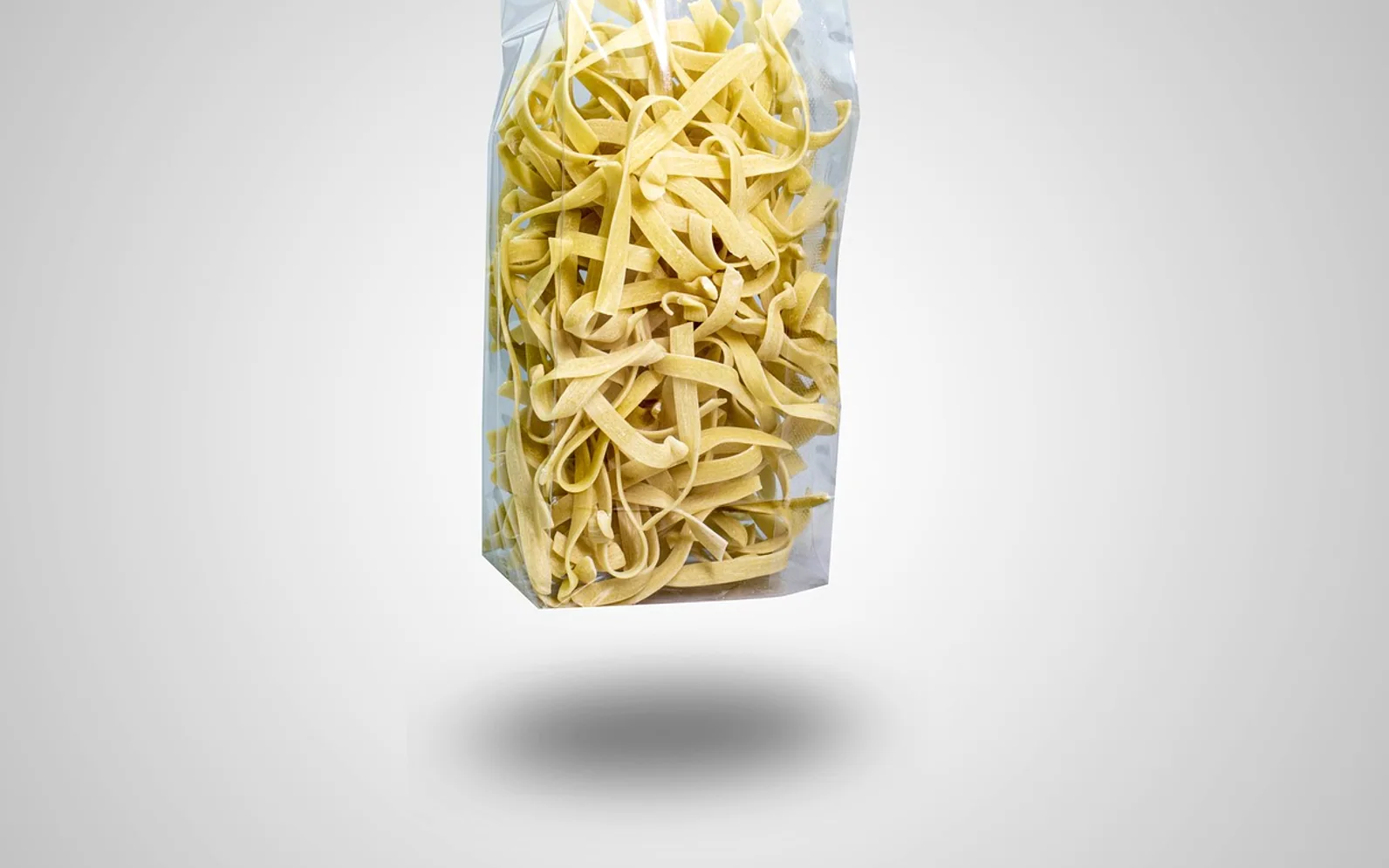
Shelves are crowded, and a shopper's eye moves fast. The label is often the only chance a product has to make someone pause, so treating it as an afterthought can undo months of work on the item itself.
Give the eye a reason to stop
Strong labels usually rely on one or two bold choices rather than many small ones. Colour is the most obvious lever: a confident palette that contrasts with neighbouring products helps a package pop out from a row of similar boxes. Shape and texture matter too, from an unusual outline to a tactile finish that invites people to pick the item up.
Many long-lived consumer brands also lean on a character or recognisable object, a friendly animal, a cheerful figure, a distinctive symbol. A memorable mascot gives customers a shortcut: next time, they simply look for the familiar face. Building one takes thought, but the payoff is a label people can find without reading a word.
Check the message before it goes to print
Bold design should never come at the cost of goodwill. Before settling on imagery or slogans, test them with a few people from different backgrounds and age groups. Anything that could be read as mocking or excluding a group of customers can turn a promising launch into an apology. A quick review at the sketch stage costs very little compared with reprinting stock.
The hidden cost of printing in-house
Printing labels on an office machine looks cheap until the real effort is counted. A typical do-it-yourself setup involves:
- installing and learning design and layout software;
- buying suitable label stock and keeping several ink colours in supply;
- repeated test prints to fix alignment, sizing and colour shifts;
- separate templates for every product size and variant;
- labels that may fade, smudge or peel if the materials are not right for the product.
Each of these steps takes hours that could go into production, customer service or marketing, the parts of the business only the owner can really do.
Why a professional printer is often the better route
Handing the job to a specialist in custom sticker printing removes most of that friction. A good printer will typically:
- advise on materials suited to the product, such as water-resistant or freezer-safe stock;
- check artwork for resolution, bleed and colour issues before anything is printed;
- offer finishes, shapes and textures that are hard to reproduce on office equipment;
- produce consistent results across large runs and multiple sizes.
Experienced printers have also seen many labels succeed and fail, so their feedback on legibility and layout can be valuable even before an order is placed.
This video gives a feel for how custom labels and stickers are produced:
Small changes, noticeable results
Not every brand needs a complete redesign. Sometimes a brighter background, larger product name, cleaner typeface or a simple character is enough to lift a package. The test is straightforward: place the product among its competitors and step back. If it disappears into the row, the label has more work to do. If people reach for it first, it is doing exactly what it should.
Tell us what you think.
Corrections are always welcome.