
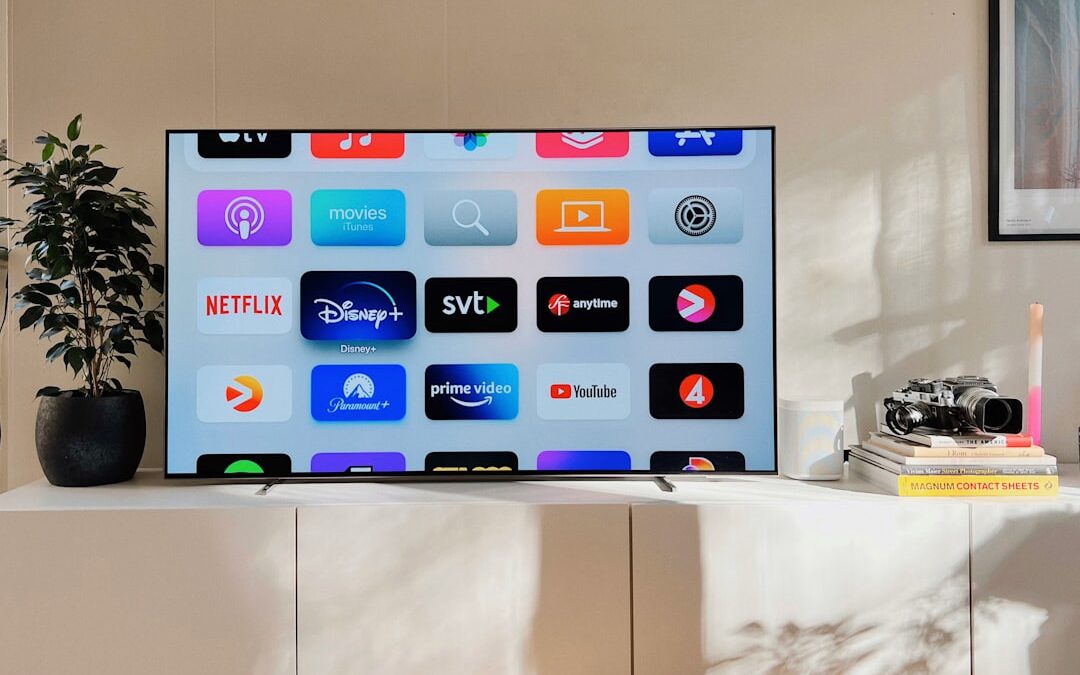
Across Germany, the way people watch television is changing fast. Traditional broadcasting still has a place, but more households now expect entertainment to be flexible, personal, and available on demand. That shift is exactly why IPTV in Germany has become such a powerful force in modern home entertainment. Instead of relying on fixed schedules and limited channel bundles, viewers can stream live TV, films, sports, and series over an internet connection with far more control. For families, professionals, and younger audiences especially, IPTV offers a viewing experience that fits real life. As broadband quality improves and consumer expectations rise, IPTV is no longer a niche option. It is becoming one of the main ways Germany watches, explores, and enjoys digital entertainment at home.
From rigid broadcasting to flexible viewing
For decades, home entertainment in Germany was built around linear television. Viewers had to adapt to broadcaster schedules, wait for repeats, or record programs in advance. Today, that model feels increasingly outdated. IPTV changes the relationship entirely by putting the viewer in control. Live channels remain available, but they sit alongside catch-up services, on-demand libraries, and multi-device streaming. That combination gives households the freedom to watch what they want, when they want, and where they want.
This flexibility matters because media habits have changed. Many people now divide their attention across smart TVs, tablets, laptops, and smartphones. A family in Berlin may want children’s programming in one room, live football in another, and a film on demand later in the evening. IPTV supports that kind of lifestyle far better than older broadcasting systems. For consumers comparing services, a trusted IPTV anbieter can offer access to broad content libraries, modern interfaces, and features designed around convenience rather than limitation.
Another important factor is personalization. IPTV platforms often recommend content based on viewing habits, make it easy to pause and resume, and allow users to build their own entertainment routines. Instead of browsing endlessly through channels that may not be relevant, viewers can quickly find films, documentaries, sports, or international programming that fits their interests. In a country as diverse and connected as Germany, that level of choice is a major advantage.
Why German viewers see better value in IPTV
Cost and value are central to the rise of IPTV. Many households are reviewing monthly entertainment spending more carefully and looking for services that deliver more content without unnecessary extras. IPTV often stands out because it combines variety, usability, and accessibility in a single service model. Rather than paying for rigid bundles or outdated hardware setups, consumers can choose packages that better reflect their actual preferences.
German audiences also appreciate content diversity. IPTV can provide access to local channels, international broadcasts, niche genres, premium sports, and multilingual programming in one place. That is particularly attractive in households with varied tastes, where one person follows Bundesliga matches, another watches international films, and others prefer documentaries or lifestyle channels. The ability to satisfy all of those preferences through one interface makes IPTV especially compelling.
- Broader choice: live TV, catch-up content, films, and series in one system.
- Device freedom: smart TVs, phones, tablets, and streaming boxes can all be used.
- User convenience: search tools, recommendations, and on-demand access improve discovery.
- Scalable plans: households can choose services that suit their budget and viewing habits.
Value is not just about price alone. It is about how much entertainment people actually use and enjoy. If a service is easier to navigate, includes better content, and works smoothly across devices, it naturally feels more worthwhile. That is one of the strongest reasons IPTV is gaining momentum across Germany.
The technology behind the better experience
The success of IPTV is closely tied to Germany’s growing digital infrastructure. Faster home internet, improved Wi-Fi performance, and widespread use of smart televisions have made high-quality streaming more practical than ever. As these technologies become standard, IPTV becomes easier to adopt for both urban and suburban households. What once may have required technical effort is now often straightforward to set up and use.
Modern IPTV platforms are also designed for performance. Features such as HD and 4K streaming, electronic program guides, cloud-based content access, and smooth app integration create a polished user experience. Many services now focus heavily on interface design, because viewers expect entertainment platforms to feel intuitive from the first use. If browsing channels or finding a replay takes too long, users notice immediately. IPTV services that prioritize speed and clarity are helping redefine what quality home entertainment looks like.
Reliability has improved as well. In the past, some consumers may have associated internet television with buffering or inconsistency. That perception is changing. Better streaming protocols, more stable broadband connections, and stronger home networking tools have made IPTV far more dependable. For many viewers in Germany, it now delivers an experience that is not only comparable to traditional TV, but in several ways better. When control, picture quality, and convenience are combined, the appeal becomes obvious.
What IPTV means for the future of home entertainment in Germany
IPTV is not simply replacing one delivery method with another. It is reshaping expectations. Viewers increasingly assume that entertainment should be available instantly, work across devices, and reflect personal preferences. Broadcasters, content providers, and technology companies are responding to those expectations by investing more heavily in digital-first services. As a result, IPTV is influencing the entire media landscape in Germany, from how content is distributed to how audiences engage with it.
This transformation also creates opportunities for more specialized and more global viewing experiences. German households can explore international programming more easily, follow live events from different markets, and access niche channels that would never have found room in older TV models. At the same time, local content remains highly important, and IPTV makes it easier to combine regional relevance with international breadth. That balance is one of the reasons the format continues to grow.
For consumers, the bigger picture is clear. IPTV aligns with the way modern households live: connected, mobile, selective, and convenience-driven. It supports shared entertainment while also allowing for individual preferences. It makes premium content easier to access and daily viewing easier to manage. In short, IPTV is transforming home entertainment across Germany because it answers the needs of today’s audience more effectively than traditional television ever could. As digital habits continue to evolve, IPTV is set to play an even more central role in the German living room.
