
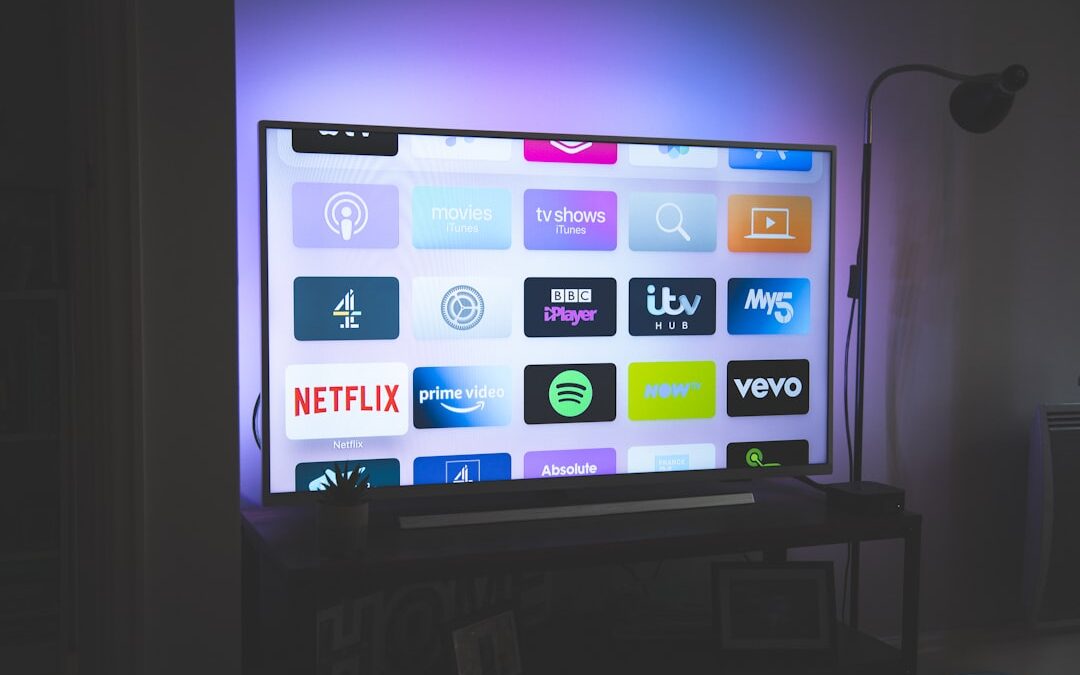
France is undergoing a major shift in the way audiences consume television, films, and live events. Traditional broadcasting still matters, but streaming now shapes everyday viewing habits across the country. Among the biggest drivers of this change is IPTV, a technology that delivers television over internet connections instead of conventional terrestrial, satellite, or cable systems. As French households demand more flexibility, broader channel access, and on-demand convenience, IPTV has moved from a niche option to a mainstream talking point. To understand the French streaming revolution, we need to look at the cultural, technological, and economic forces accelerating IPTV’s rapid rise.
Why IPTV Is Gaining Ground in France
IPTV appeals to modern viewers because it aligns with how people now expect media to work: instantly, across multiple devices, and on their own schedule. In France, where digital adoption is high and broadband infrastructure continues to improve, this model fits naturally into everyday life. Rather than being tied to a fixed broadcast timetable, viewers can access content through smart TVs, mobile phones, tablets, and streaming boxes.
Another reason for IPTV’s growth is consumer fatigue with rigid and often expensive legacy TV packages. Many viewers no longer want large channel bundles filled with content they rarely watch. IPTV services often appear more adaptable, allowing users to prioritise international channels, niche sports coverage, films, or multilingual programming. This flexibility is especially attractive in a country with diverse viewing preferences and strong interest in both domestic and global entertainment.
We are also seeing a generational change. Younger audiences have grown up with streaming-first habits and are far less attached to the traditional television experience. For them, seamless digital access matters more than brand loyalty to long-established broadcasters. IPTV meets that expectation by combining live television with features people already value from streaming platforms, such as replay, content libraries, and device switching.
The Technology Behind the Shift
At its core, IPTV uses internet protocol networks to deliver TV content. That sounds technical, but its practical value is simple: content can be streamed with more control, better personalisation, and broader compatibility. Instead of passively receiving whatever is broadcast at a given time, the viewer interacts with a service designed around demand and convenience.
France’s digital environment has helped make this possible. Faster fibre deployment, stronger home Wi-Fi networks, and the widespread ownership of connected devices have all reduced the barriers to adoption. As internet performance improves, the user experience becomes smoother, making IPTV a realistic alternative for more households.
Several features explain why the model is so compelling:
- Multi-device access: Viewers can watch content at home or on the move.
- On-demand control: Programmes are available when users want them, not just when they are scheduled.
- Expanded choice: Many services offer international, thematic, or specialist channels.
- User-friendly interfaces: Modern menus, search functions, and recommendations improve discovery.
As competition grows, users also compare providers based on reliability, channel range, interface quality, and support. For those exploring the market, platforms such as IPTV Iron reflect the increasing visibility of IPTV options among French-speaking audiences looking for flexible streaming access.
Changing Viewer Expectations and Media Habits
The rise of IPTV in France is not only a technical story; it is a behavioural one. Viewers have become more selective and more demanding. They want live sports without missing key moments, films without complicated access barriers, and series they can start and finish on their own timeline. They also expect a smooth user experience that mirrors the simplicity of the best global streaming platforms.
French audiences are increasingly comfortable curating their own media environments. Instead of relying on one central TV subscription, many now build a personal ecosystem of entertainment services. IPTV fits into this pattern because it often serves as a bridge between live broadcasting and streaming convenience. It can combine the immediacy of traditional TV with the control associated with digital media.
This trend is especially important in households with varied preferences. One family may want French news, international sports, children’s programming, and films from multiple regions. IPTV’s perceived appeal lies in its ability to bring wide-ranging content into a single digital framework. That breadth can feel more relevant than older packages designed for a less fragmented media landscape.
At the same time, the social aspect of viewing has not disappeared. Major football matches, cultural events, and national broadcasts still draw collective attention. IPTV does not replace that shared experience; it often enhances it by making access more immediate and adaptable to different devices and lifestyles.
What IPTV’s Rise Means for the French Media Market
As IPTV grows, it influences the wider French entertainment ecosystem. Broadcasters, telecom operators, streaming brands, and digital platforms all face pressure to rethink how they package and deliver content. The competition is no longer only about who owns the strongest channels. It is about who creates the most convenient, responsive, and user-centred experience.
For the market, this shift has several implications:
- Greater pressure on traditional TV models: Fixed schedules and inflexible bundles are becoming less attractive.
- Higher expectations for digital quality: Buffering, poor interfaces, and limited functionality are less tolerated.
- Broader internationalisation: French viewers increasingly expect access to content from beyond national borders.
- Stronger emphasis on value: Consumers compare pricing and features more carefully than before.
However, rapid growth also brings challenges. The IPTV landscape can be confusing, and not all services offer the same standards of quality, consistency, or legitimacy. That means consumers must be informed, cautious, and attentive when evaluating providers. In a fast-moving sector, trust, transparency, and technical performance become major differentiators.
Looking ahead, IPTV is likely to remain an important part of France’s streaming future. As connected homes become more common and audiences continue to prioritise convenience, services that blend live television with digital flexibility will keep attracting attention. The bigger story is not simply that people are watching differently; it is that they now expect television to behave like the rest of modern digital life: personalised, mobile, and available on demand.
France’s streaming revolution is therefore more than a passing trend. IPTV’s rapid rise reflects a deeper transformation in consumer expectations, media technology, and competitive strategy. As we watch the market evolve, one thing is clear: the future of television in France will be shaped by flexibility, choice, and seamless online delivery. IPTV has become a central part of that shift, and its influence is only set to grow.
