
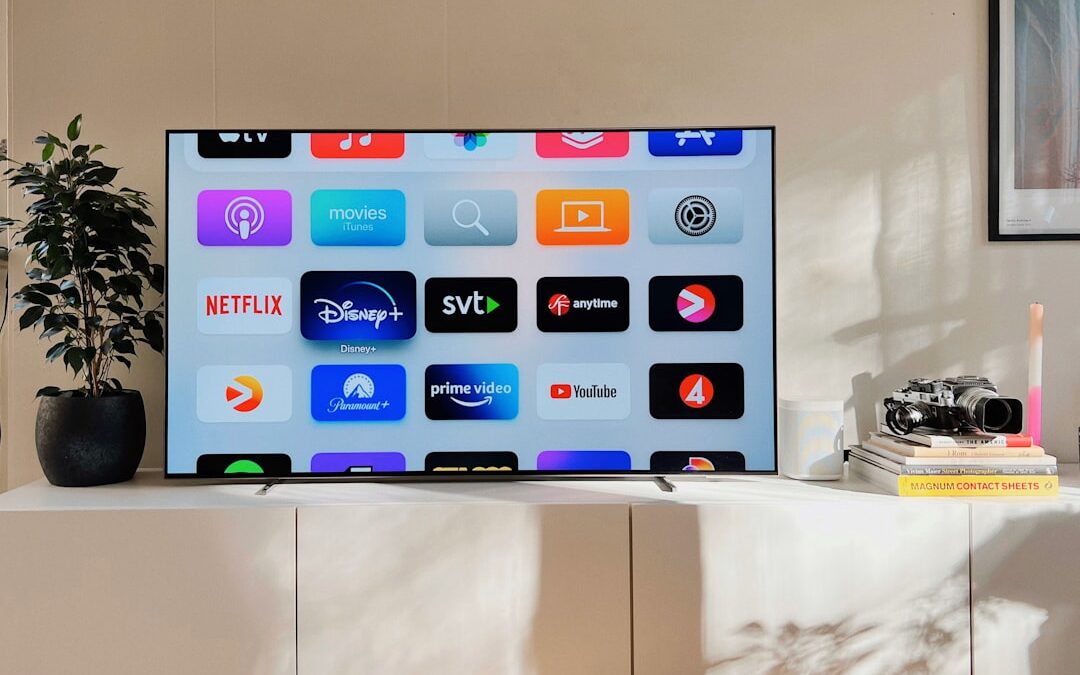
France is experiencing a major shift in the way people watch television. Traditional viewing habits, once built around fixed schedules and limited channel bundles, are giving way to more flexible and personalised streaming experiences. At the centre of this transformation is IPTV, or Internet Protocol Television, which delivers live channels, on-demand content, and premium entertainment through an internet connection rather than conventional cable or satellite infrastructure. As broadband quality improves and viewers demand more control, IPTV is becoming a defining part of the modern French media landscape. For households looking for convenience, variety, and value, this is not simply a passing trend. It represents a new era of streaming in France.
Why IPTV Is Gaining Momentum in France
The popularity of IPTV in France is rooted in a simple change in consumer expectations. Viewers no longer want to organise their day around television schedules. They want content available when and where they choose, whether that means watching live sports in the evening, catching up on a missed series over the weekend, or accessing international channels from a smartphone while travelling.
French audiences are also more digitally connected than ever. Faster fibre networks, widespread smart TV adoption, and strong mobile internet coverage have created the ideal environment for IPTV services to expand. Instead of relying on a decoder tied to one room, users can now stream on multiple devices, including televisions, tablets, phones, and laptops.
Cost is another major factor. Many consumers are reassessing expensive traditional TV subscriptions and searching for alternatives that provide broader content libraries and greater flexibility. IPTV often answers that need by combining live channels, films, series, and catch-up services into one accessible platform. In a market where value matters, that combination is highly attractive.
There is also a cultural dimension. France has a diverse audience with strong interest in local programming, European productions, international cinema, and global sports coverage. IPTV services can cater to these varied preferences more effectively than rigid legacy packages, making them especially appealing to modern households.
The Main Advantages of IPTV for Modern Viewers
One reason IPTV has advanced so quickly is that it aligns closely with how people already consume digital media. Streaming platforms have conditioned users to expect seamless access, simple navigation, and personalised recommendations. IPTV extends that expectation to live television and broader entertainment ecosystems.
The key benefits include:
- Flexibility: content can be watched across multiple devices, at home or on the move.
- Variety: users often gain access to live TV, films, series, sports, documentaries, and international channels in one place.
- Convenience: interfaces are typically designed for fast search, easy browsing, and quick playback.
- Personalisation: viewers can build experiences around their own preferences instead of fixed programming grids.
- Potential savings: IPTV can offer a broader entertainment mix at a more competitive monthly cost.
For families in France, these advantages are especially important. Different members of the household often want very different things, from children’s programming and local news to premium football and international drama. IPTV makes it easier to serve all of those needs without forcing everyone into the same linear viewing habits.
It also supports the growing preference for on-demand culture. Today, viewers expect to pause, replay, restart, or switch instantly between categories. That level of control has become a basic standard rather than a luxury. IPTV succeeds because it responds directly to that expectation.
How IPTV Is Reshaping the French Entertainment Market
The rise of IPTV is not only changing viewer habits; it is reshaping the wider entertainment market in France. Broadcasters, telecom providers, streaming platforms, and content distributors are all adapting to a more fragmented and competitive environment. The traditional distinction between television and streaming is becoming less relevant, as audiences increasingly treat all content as part of one digital ecosystem.
Sports broadcasting is a strong example. Live events remain one of the biggest drivers of subscriptions, and viewers want reliable access without complexity. IPTV has become an important option for users who value instant access to matches, commentary, and related programming across devices. This demand is pushing providers to improve stream quality, user interfaces, and channel stability.
International content is another powerful growth area. France has multilingual communities and a large audience interested in programming from Europe, North Africa, the Middle East, and beyond. IPTV can meet this demand far more efficiently than traditional television packages. For many users searching online for the Meilleur IPTV France, the appeal lies in finding a service that combines French channels with international entertainment in one streamlined experience.
This evolution is also influencing content strategy. Providers now compete not only on price, but on catalog depth, device compatibility, user experience, and customer support. The result is a more dynamic market in which consumers have greater power to choose services that match their habits and priorities.
What Viewers in France Should Consider Before Choosing an IPTV Service
As the IPTV market grows, choosing the right provider becomes increasingly important. Not all services offer the same level of quality, reliability, or legitimacy. For viewers in France, the best experience depends on evaluating several practical criteria before subscribing.
We should start with streaming performance. A strong IPTV service should offer stable playback, minimal buffering, and good picture quality, especially for live events and high-demand channels. This depends partly on the provider and partly on the user’s internet connection, so it is wise to verify compatibility and bandwidth requirements in advance.
Content selection is equally important. Some viewers prioritise French channels and regional programming, while others want premium sports, cinema, or foreign networks. The right service is the one that matches actual viewing habits rather than simply advertising a very large number of channels.
Other useful factors to review include:
- Device support: compatibility with smart TVs, Android boxes, phones, tablets, and laptops.
- User interface: clear menus, responsive navigation, and easy search functions.
- Customer support: helpful assistance during setup and troubleshooting.
- Trial options: the ability to test service quality before making a longer commitment.
- Legal and rights awareness: viewers should ensure they are using services that respect applicable distribution rules and content rights.
That final point matters. IPTV as a technology is entirely legitimate, but viewers should distinguish between reputable services and unverified offers that may not have the right to distribute certain content. In a rapidly growing market, trust and transparency remain essential.
IPTV is no longer a niche alternative in France. It is becoming a mainstream way to access television and entertainment, driven by flexibility, broader content access, and the demand for a more user-centred viewing experience. As internet infrastructure continues to improve and digital habits evolve, IPTV is likely to play an even bigger role in how French households watch live channels, films, and series. For viewers seeking greater control, stronger value, and a modern streaming model, the rise of IPTV marks a clear turning point in the future of television in France.
