
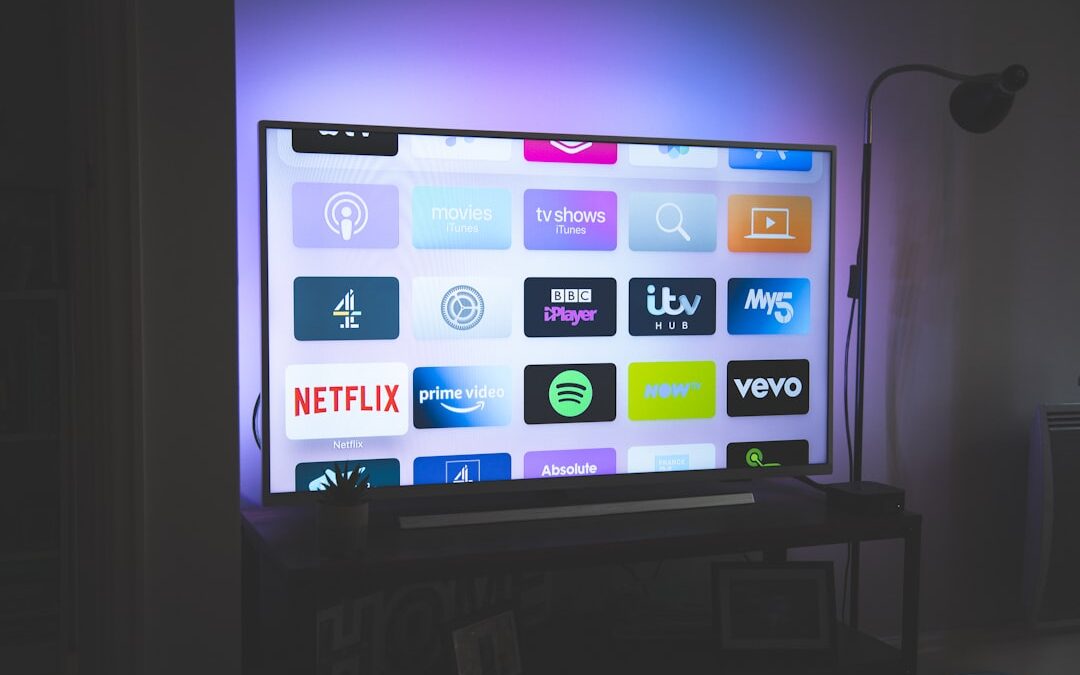
Across France, the way households watch television is changing at remarkable speed. Traditional broadcast schedules no longer define the viewing experience as they once did, and viewers increasingly expect entertainment to be available instantly, on multiple devices, and tailored to their habits. In this context, IPTV has emerged as one of the most important developments in home entertainment. By delivering television content through internet networks rather than conventional terrestrial, satellite, or cable systems, IPTV is reshaping how French families access live channels, films, series, sports, and international programming. This shift is not just technical; it reflects deeper changes in lifestyle, consumer expectations, and digital culture.
Why IPTV Is Gaining Ground in France
The rise of IPTV in French households is closely linked to broader patterns in media consumption. Viewers today want flexibility. They no longer want to organise their evenings around fixed programming slots, and they increasingly prefer services that let them choose what to watch, when to watch it, and where to watch it. IPTV answers that demand by combining the familiarity of television with the convenience of modern streaming.
France is particularly well positioned for this transition. High-speed broadband access has expanded significantly, and fibre connections have become more common in urban and suburban areas. As internet infrastructure improves, households are better able to stream high-quality video with fewer interruptions. This reliable connectivity creates the conditions for IPTV to move from a niche option to a mainstream entertainment choice.
Another factor is the diversity of French viewing preferences. Many households want a mix of local channels, European programming, global entertainment, and content in multiple languages. IPTV platforms often provide broader catalogues than conventional packages, making them attractive to families with varied tastes. For consumers comparing value, this breadth of access can make IPTV especially appealing.
The Features That Appeal to Modern Households
What makes IPTV so compelling is not simply that it uses the internet. Its appeal comes from the features it enables. Unlike older viewing models, IPTV allows a more personalised and interactive experience that aligns with how people already use digital services in other parts of their lives.
- On-demand access: Viewers can watch films, series, and replay content according to their own schedule rather than a broadcaster’s timetable.
- Multi-device compatibility: IPTV can often be accessed on smart TVs, smartphones, tablets, laptops, and dedicated boxes, making it easier to continue viewing from room to room.
- Wider content variety: Many services include local channels, premium entertainment, sport, documentaries, and international programming in one place.
- User-friendly navigation: Search tools, digital guides, favourites lists, and recommendation systems help households find content quickly.
These features matter because they suit the rhythm of everyday life. Parents may want to replay missed programmes after work, children may prefer cartoons on tablets, and sports fans may want access to live events without complicated setups. IPTV supports these habits in a more fluid way than conventional television systems.
For viewers exploring different solutions, service quality remains essential. Performance, content selection, stability, and ease of use all shape the overall experience. This is why many users research providers carefully before subscribing, and platforms such as abonnementiptvhd.com naturally enter the conversation when households evaluate modern IPTV options.
How IPTV Is Changing Viewing Habits in French Homes
As IPTV becomes more common, it is also influencing family routines and expectations. The television set still matters, but it is no longer the only screen in the household. Viewing has become more individualised, yet also more adaptable. One person may follow live news in the living room while another watches a series on a tablet, and someone else catches up on sport from a mobile device. IPTV supports this fragmented but connected style of consumption.
This change also reflects a shift in how entertainment is valued. French households are increasingly looking for efficiency and control. Rather than paying for large bundles with channels they rarely watch, many viewers want access to content that feels relevant to their interests. IPTV services often respond to this demand with broader libraries and more flexible ways of discovering programming.
At the same time, IPTV has helped strengthen the expectation that premium entertainment should be immediate. Delayed viewing, pause-and-play functions, electronic programme guides, and replay services have become normal parts of the experience. What once felt innovative now feels standard, especially for younger viewers who have grown up in an always-connected media environment.
There is also a cultural dimension to this evolution. France has a strong tradition of television consumption, from national news and cinema to live sport and international series. IPTV does not replace that culture; it expands the methods through which it is accessed. In many homes, the result is a richer media environment where local and global content coexist more easily than before.
Key Considerations Before Choosing an IPTV Service
Although IPTV offers clear benefits, selecting the right service requires attention. Not all providers deliver the same level of quality, and households should assess practical factors before making a choice. The most important issue is reliability. A service may offer a broad catalogue, but if streams are unstable or difficult to access, the user experience quickly suffers.
Households should also consider whether the platform is compatible with their existing devices. A good IPTV service should work smoothly across smart TVs and mobile devices, with intuitive navigation and clear setup instructions. Customer support is another useful indicator of quality, especially for users who are not highly technical and want help during installation or troubleshooting.
- Check internet speed: Stable broadband is essential for consistent image quality and smooth playback.
- Review content categories: Make sure the service matches household preferences, including French channels, international content, films, or sport.
- Evaluate interface and usability: A clean, simple layout improves daily viewing and helps all family members use the service comfortably.
- Look at reputation: Reviews and recommendations can provide insight into performance, support, and overall satisfaction.
Ultimately, IPTV works best when it combines convenience with dependability. French households are no longer satisfied with limited choice or rigid schedules. They expect streaming services to be practical, responsive, and aligned with modern digital habits.
The Future of IPTV in France
The growth of IPTV in France is unlikely to slow down. As internet infrastructure continues to improve and smart home devices become even more common, the distinction between television and streaming will continue to blur. We are moving into a media landscape where viewers expect seamless access to live broadcasts, on-demand entertainment, and personalised recommendations in a single environment.
For French households, this means more than a new method of watching TV. It signals a broader transformation in entertainment culture, one centred on flexibility, choice, and control. IPTV has become a practical answer to these expectations, and its popularity reflects how deeply viewing habits have evolved. As families seek more tailored and convenient experiences, IPTV is set to remain at the heart of the next era of streaming in France.
